
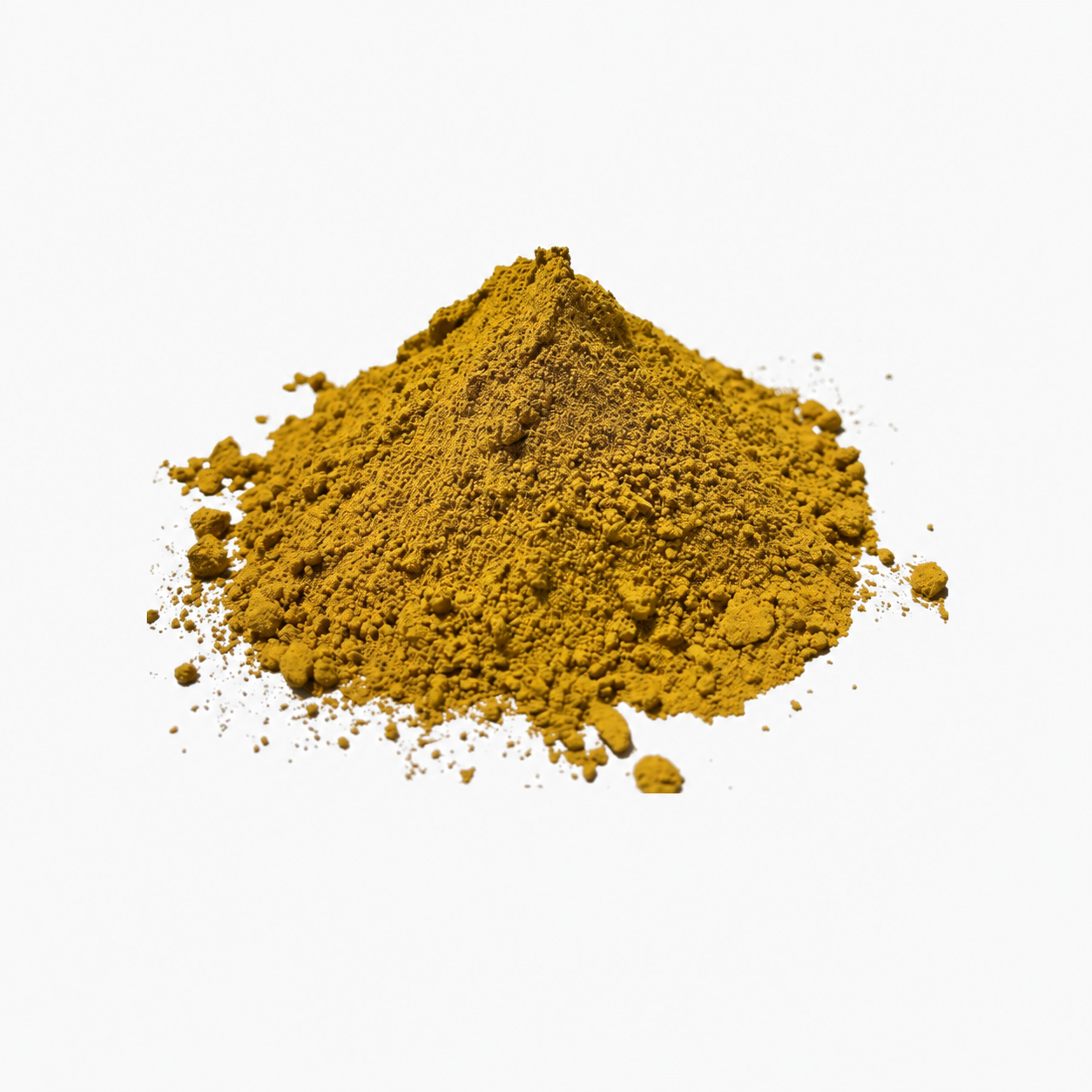
Red, Yellow and Black Iron Oxide Pigments: What Buyers Should Compare
Red, yellow and black iron oxide pigments are related materials with different chemical identities and color characteristics. Buyers should compare them as defined grades for a specific application. A purchasing description that says only “iron oxide pigment” does not provide enough information to establish an acceptable substitute or a repeatable production formula.
The most useful comparison begins with the intended result: a red concrete surface, a warm yellow mortar, a dark paving unit or a particular coating shade. From there, the buyer can examine the pigment identity, its behavior in the base material and the evidence supporting the proposed use.
Understand the chemical identity behind the color
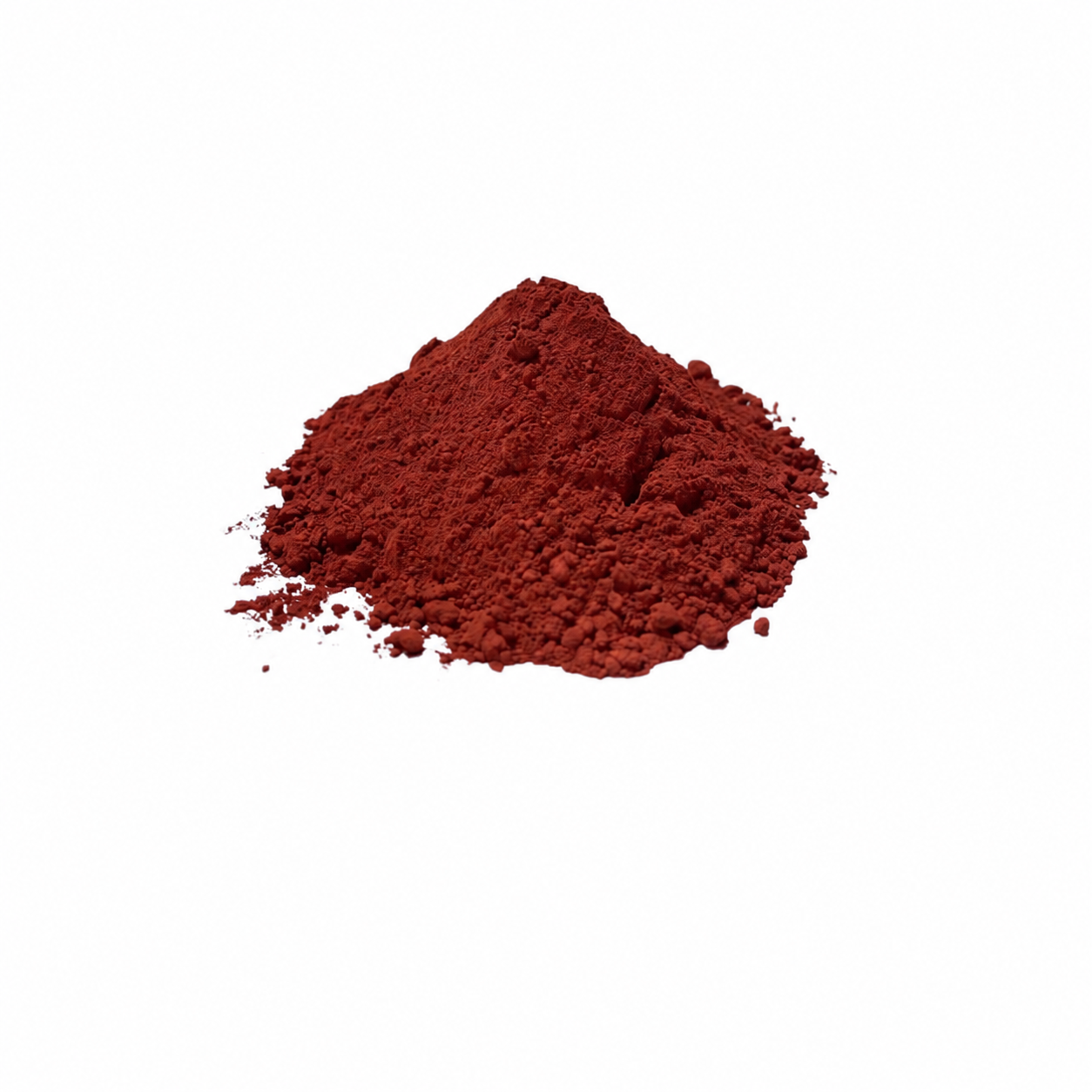
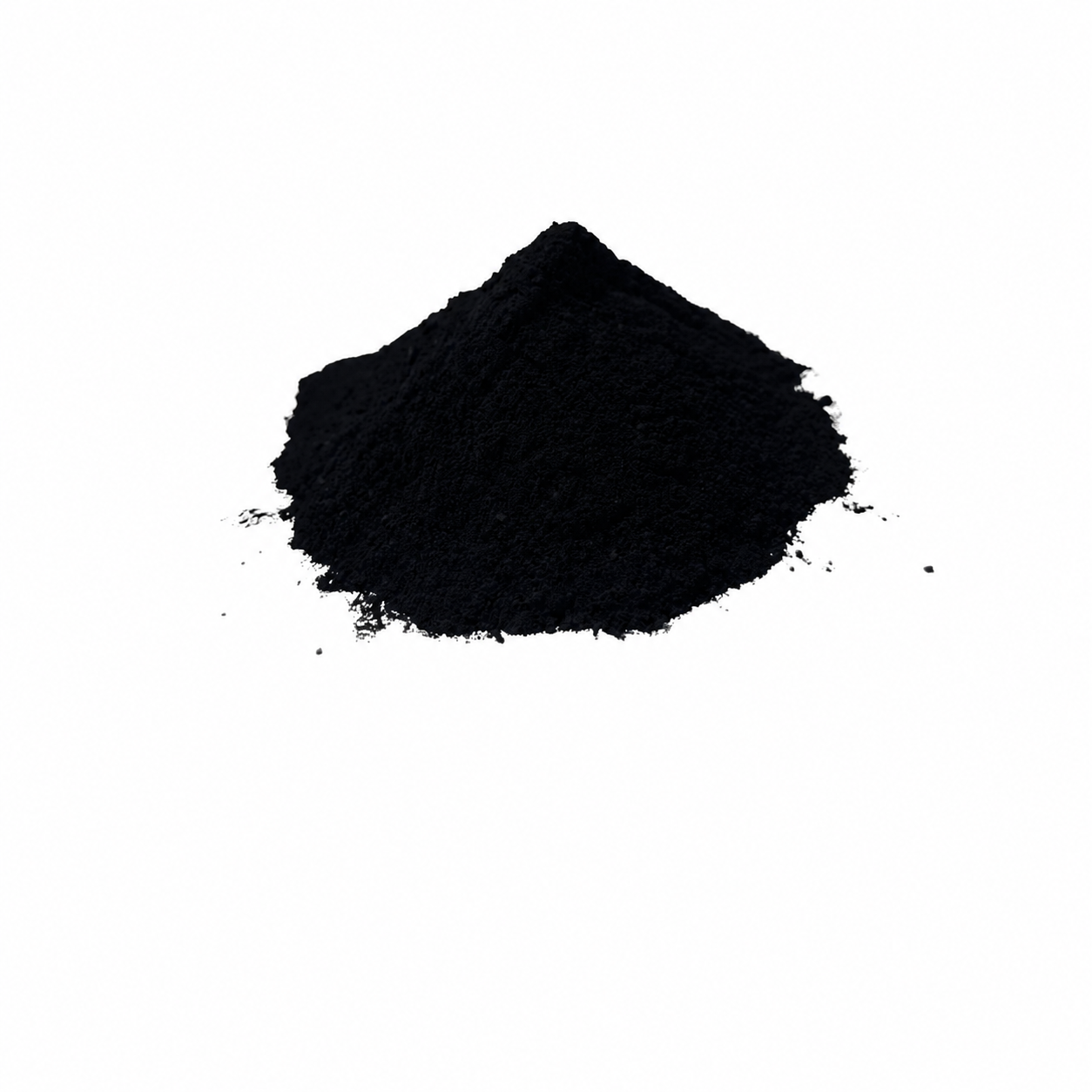
The principal synthetic iron oxide pigment families include red iron(III) oxide, commonly represented as Fe₂O₃; yellow iron oxide hydroxide, FeO(OH); and black iron(II,III) oxide, Fe₃O₄. These identities help distinguish the materials, but they do not describe every property of a finished commercial grade.
Request the product designation and its stated chemical or pigment classification. Read that information alongside the current technical data sheet. For a formulated pigment mixture, ask for the relevant product documentation rather than attempting to infer its composition from the shade name.
A supplier’s grade number is an identifier within its own range. Similar-looking numbers from different suppliers should not be treated as proof of equivalence. When considering an alternative, compare documented properties and application results against the approved material.
Compare shade within each color family
A request for red pigment may refer to several different visual targets. The same applies to yellow and black. Ask for the nearest available grade to an agreed physical reference, then assess it in the intended cementitious or coating system.
For red, describe whether the desired finished tone is closer to an orange-red or a deeper red. For yellow, define the required balance of brightness and earthiness. For black, establish whether the target is a gray, charcoal or darker surface, and evaluate the achievable result in the actual base material.
Loose powder photographs can support an initial discussion. They should remain separate from final application approval, because the base material and surface finish also contribute to the appearance. Keep the comparison focused on specimens prepared and viewed in the same way.
Separate tinting strength from the required shade
Tinting strength describes a pigment’s coloring effect under a defined test procedure. A reported value is meaningful only with its reference material, formulation and preparation method. Supplier data sheets may use particular binders or reduction mixtures, so apparently similar figures can require further explanation before comparison.
Ask what the strength value is measured against and whether it is a specification limit or an informative result. In an application trial, record both the amount needed for the target color and the resulting shade. A material that changes the hue may require reformulation even if its reported tinting strength appears attractive.
Keep initial comparisons controlled. Use the same substrate, binder and assessment method, then review any proposed dosage adjustment against the formulation requirements. This provides a more defensible comparison than ranking pigments by a single data-sheet number.
Treat orange and other blended shades as defined products
Commercial iron oxide ranges can include mixtures that produce orange, beige or brown shades. The composition of a particular orange product should be confirmed with its supplier; the name alone does not establish a recipe.
For a supplied blend, specify the grade and retain an approved application reference. For a blend prepared in the customer’s plant, document every component grade and its proportion, together with the weighing and mixing procedure. A change to any component should be reviewed as a change to the finished formulation.
Consider how the production team will control the blend during routine manufacture. The purchasing specification should distinguish an individual color component from a ready-to-use pigment blend, including how replacements or shortages will be handled.
Check the process before transferring a color choice
Heat stability is grade- and application-dependent. Manufacturers offer specially developed pigments for demanding thermal processes, which is a reason to request supporting data rather than apply one temperature claim to every red, yellow or black product.
Provide the supplier with the intended binder, processing conditions and relevant exposure requirements. Concrete, coatings and hot bituminous mixtures should each be assessed on their own terms. A satisfactory color result in a room-temperature mortar test does not establish suitability for a heated industrial process.
A complete comparison ends with a named grade, documented test conditions and an approved result in the intended material. Color identity narrows the choice; controlled application evidence provides the basis for using that choice in production.
