
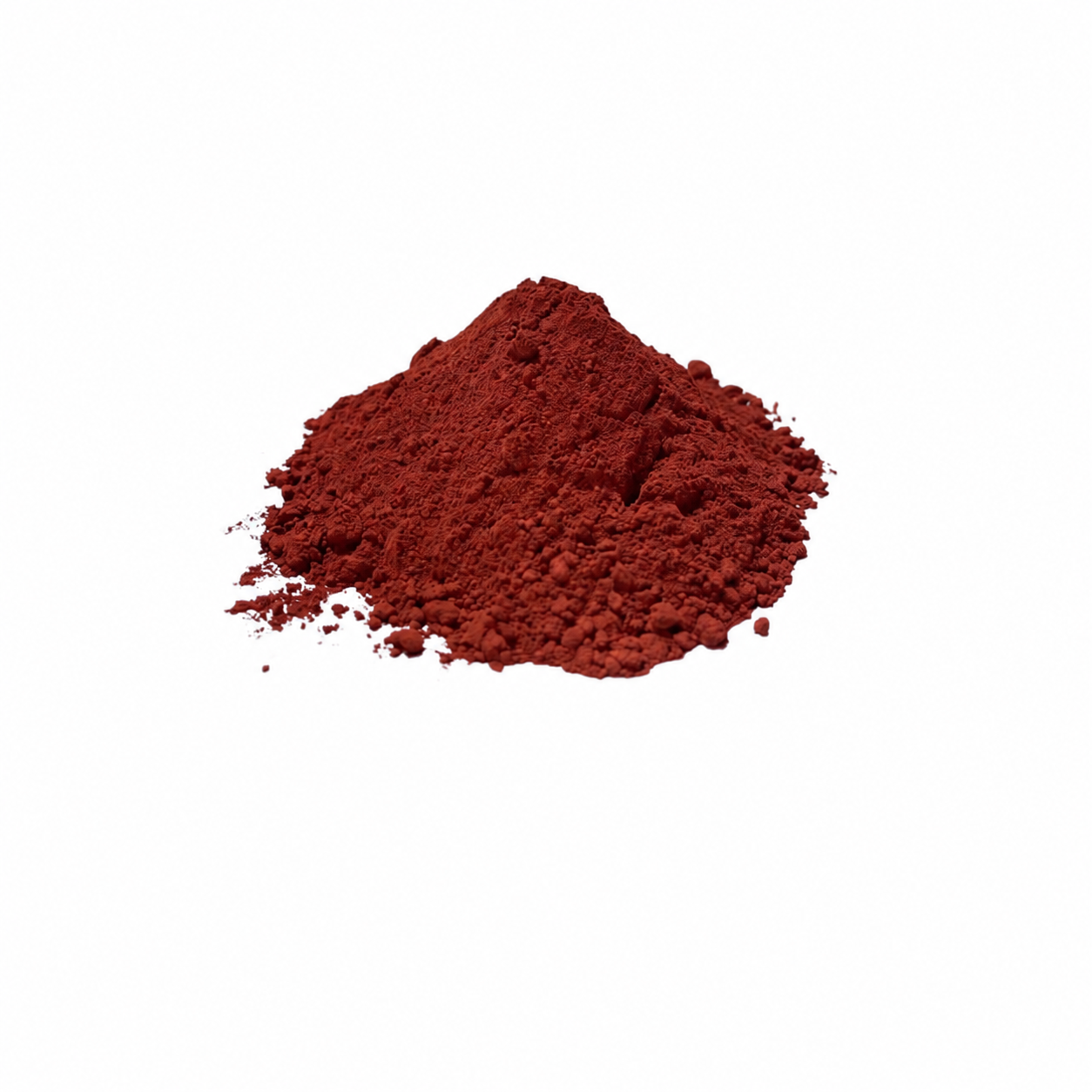
How to Approve an Iron Oxide Pigment Sample Before Bulk Purchase
An iron oxide pigment sample becomes useful when the buyer knows which decision it must support. Initial screening may establish whether a red, yellow, black, or orange grade is close to the desired shade. Final approval should connect the selected grade to a repeatable test, a defined application, and written purchasing requirements.
Before requesting material, describe the product to be colored, the base formulation, the production process, and the appearance target. Identify unusual processing conditions, such as heat exposure or accelerated curing, so that the supplier can address them specifically. A general application description cannot establish suitability for every process.
Record the Identity of the Material Received
Assign each sample a unique internal reference. Record the supplier, exact grade designation, delivery form, sample date, available batch number, and accompanying document revisions. Keep this record with the test results rather than relying on labels that may become separated from the material.
Ask whether the sample represents routine production, a development batch, or a specially prepared color match. If it is a development sample, establish what must be repeated before approving a production lot. Similar names and matching powder colors are insufficient grounds for treating two grades as interchangeable.
Agree on the Comparison Method
Choose an identified reference, such as a retained approved pigment and a corresponding application specimen. State whether the comparison concerns the supplied pigment under a laboratory method, the finished product, or both. Keep the reference protected and record when it was prepared.
For instrumental color assessment, agree on specimen preparation, measurement settings, the color-difference equation, and the tolerance. A numerical result requires this context. The public scope of ASTM D2244 specifically calls for buyer and seller agreement on permissible color tolerance and the calculation procedure. It also recognizes that texture and other appearance factors affect commercial acceptance.
Use a documented visual assessment alongside instrument readings. Compare specimens at the same stage of conditioning under consistent viewing conditions. Photographs can help record observations, but should accompany the physical references rather than define the acceptance decision on their own.
Test in the Intended Formulation
Prepare the candidate and reference using the same controlled procedure. For concrete or mortar, record the cement and aggregate sources, formulation, pigment addition basis, mixing sequence, forming method, and curing conditions. For coatings or other industrial systems, document the binder, dispersion procedure, substrate, and application conditions relevant to the trial.
Begin with an unchanged formulation so that the pigment substitution is the main variable under investigation. If adjustment is required, record it as a separate trial. Otherwise, a satisfactory result can become difficult to reproduce because pigment performance and formulation changes have been evaluated together.
Observe more than the final shade. Note whether the material can be dosed consistently, whether visible specks or streaks remain, and whether the process requires additional attention. Decide which observations need quantitative follow-up before they become purchasing requirements.
Separate Color Approval from Application Qualification
A satisfactory appearance does not settle every performance question. Identify the tests relevant to the finished product and its specification. For integrally colored concrete, ASTM C979/C979M addresses pigment requirements and certain effects on concrete. Its scope does not establish compatibility with other admixtures without combined testing, and does not cover pigment stability during elevated-temperature steam curing.
Where those conditions apply, request suitable evidence and agree on additional evaluation with the responsible technical team. Use the relevant standard within its stated scope; do not expand a report into a blanket claim about every formulation or processing route.
Confirm the Result on Production Equipment
A controlled laboratory trial provides a basis for selection. Before a substantial commitment, determine whether a production trial is needed to confirm that the approved result can be obtained with the actual batching, mixing, and finishing equipment.
Record the trial lot, operating conditions, inspection results, and any approved adjustments. Retain representative pigment and finished-product specimens under an agreed procedure. Label the production reference separately from the original screening sample so that later shipments can be compared with the correct material.
Issue a Written Approval and Shipment Acceptance Plan
Finish the process with a short approval record linked to the purchase specification. It should make the decision reproducible for the buyer, supplier, and receiving laboratory.
- Identify the approved grade, sample reference, and production trial where applicable.
- List the test methods, specimen preparation, reference material, and agreed acceptance limits.
- State the documents and batch identification required with each shipment.
- Define retained-sample responsibilities and the process for investigating a disputed result.
- Require review before any proposed grade substitution or relevant specification change.
Keep the Approval Specific
Approval should state what has actually been demonstrated. If color is acceptable but a required test or document remains outstanding, record conditional status and the unresolved requirement. Bulk purchasing can then proceed against a clear technical decision instead of an informal statement that the sample looks satisfactory.
