

Latest pigment guides
-
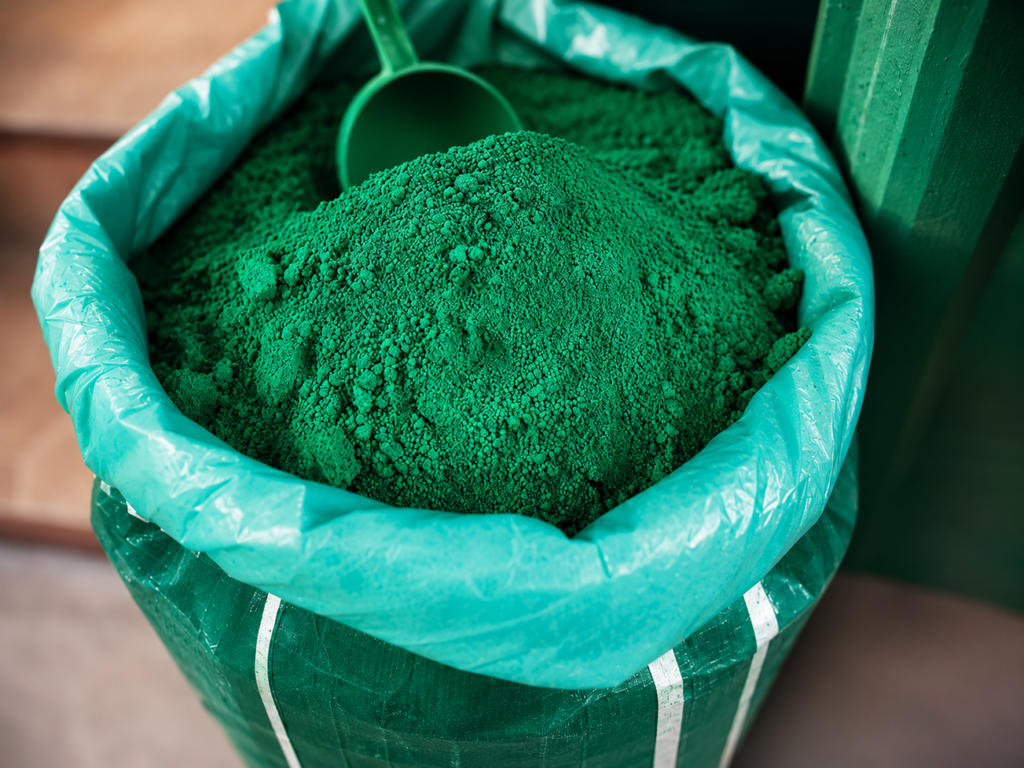
What Is the Moisture Standard for Iron Oxide Pigment?
Read guide →: What Is the Moisture Standard for Iron Oxide Pigment?Moisture content is an important quality indicator for iron oxide pigments used in construction, coat […]
-

What Is the Oil Absorption Value of Iron Oxide Pigment?
Read guide →: What Is the Oil Absorption Value of Iron Oxide Pigment?Oil absorption is an important technical parameter used to evaluate iron oxide pigments. It reflects […]
-
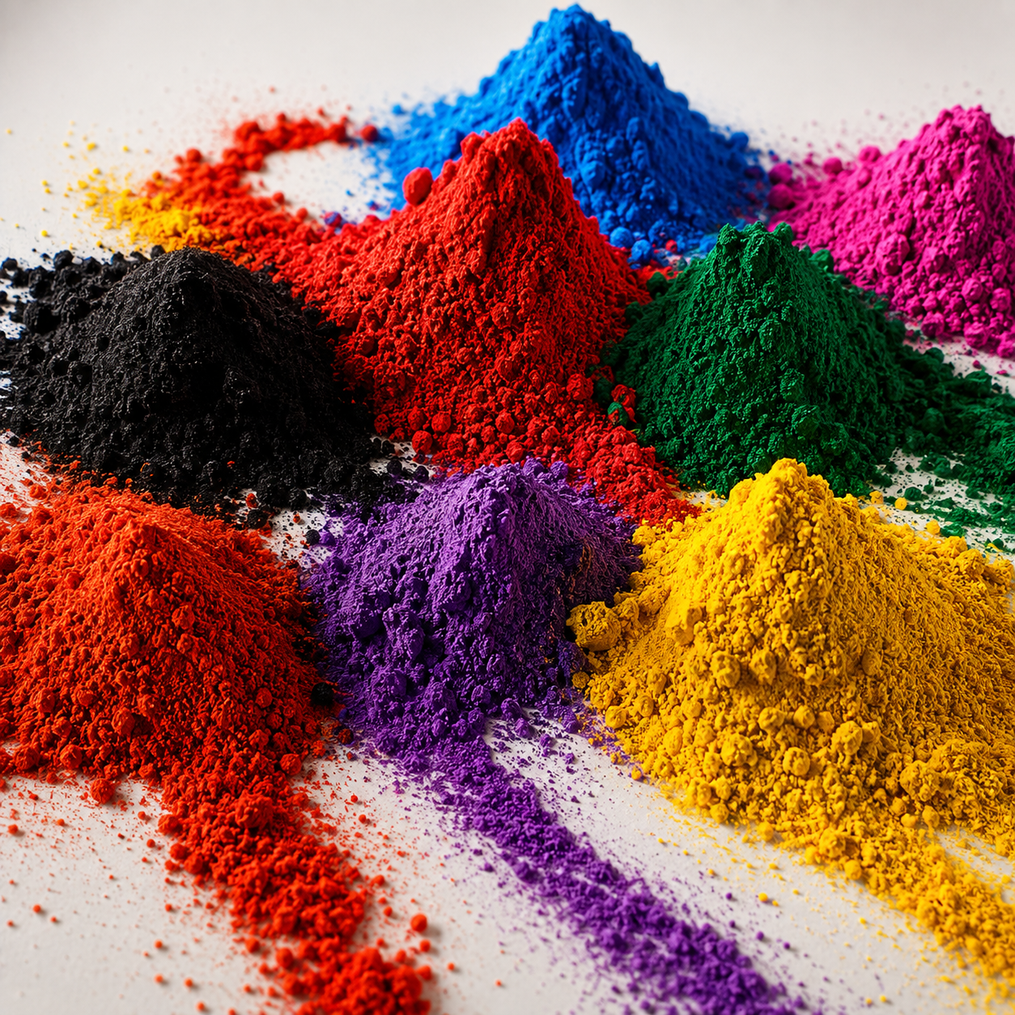
What Is the Chemical Formula of Iron Oxide Pigment?
Read guide →: What Is the Chemical Formula of Iron Oxide Pigment?Iron oxide pigments are widely used inorganic coloring materials in construction, coatings, and indus […]
-
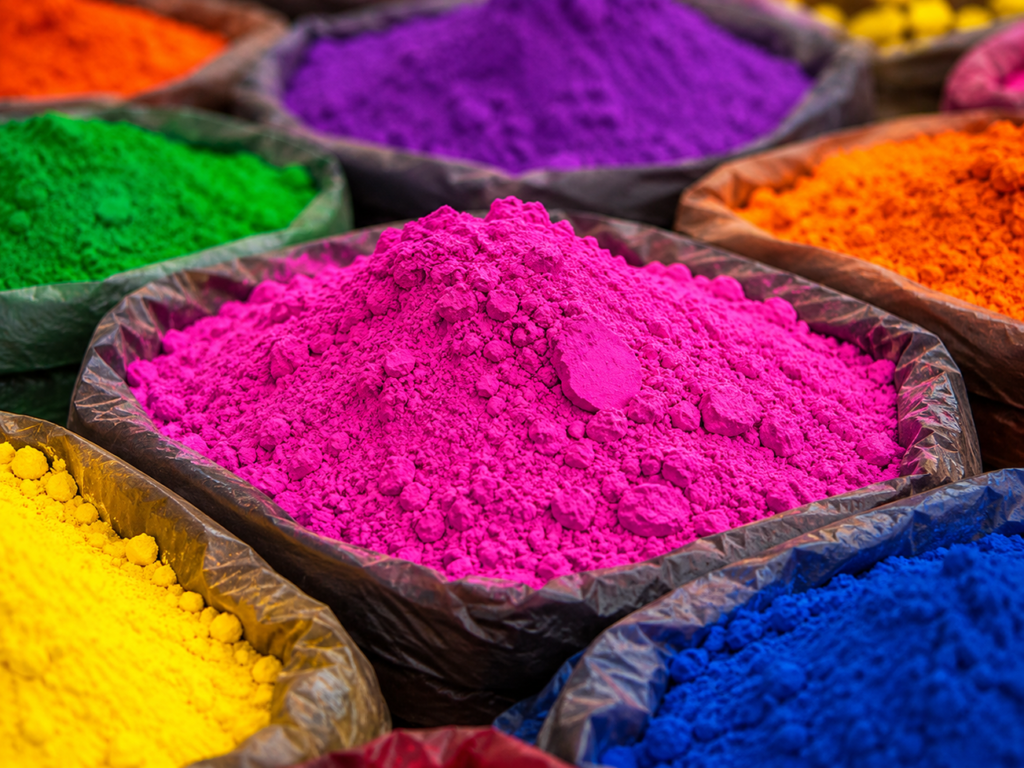
The Growing Importance of Synthetic Iron Oxide in Construction
Read guide →: The Growing Importance of Synthetic Iron Oxide in ConstructionSynthetic iron oxide is an important inorganic pigment widely used in construction and industrial app […]
-
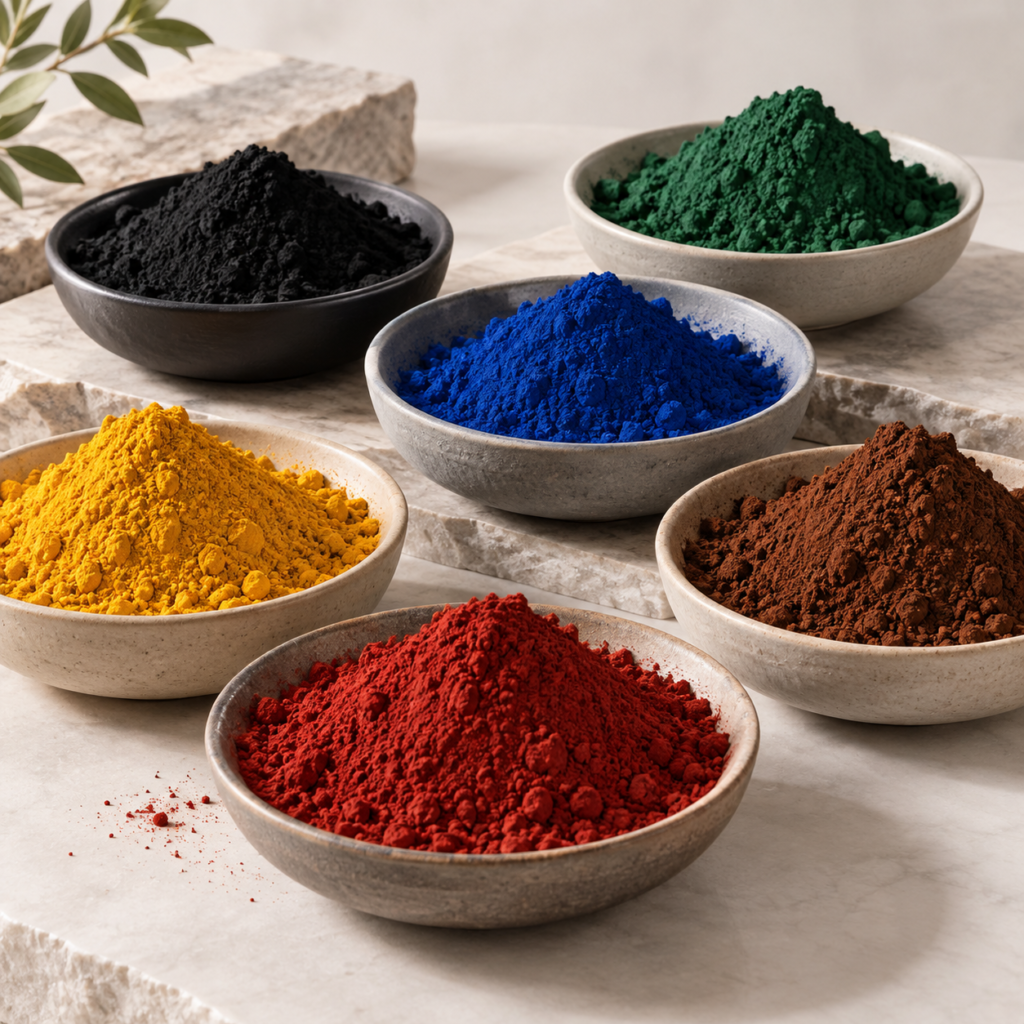
Exploring the Versatility of Iron Oxide Pigments
Read guide →: Exploring the Versatility of Iron Oxide PigmentsOutdoor construction materials are constantly exposed to sunlight, rain, temperature fluctuations, an […]
-
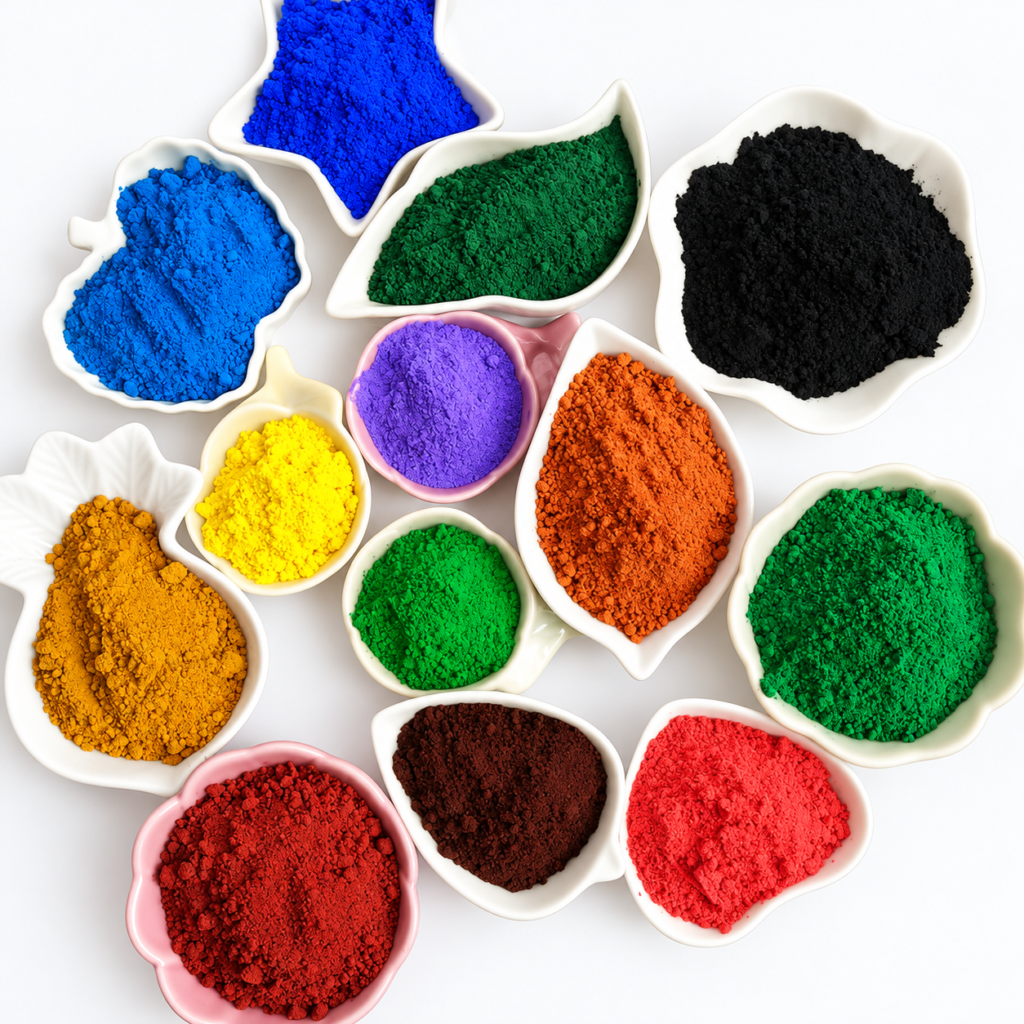
Orange Iron Oxide: Applications and Color Control
Read guide →: Orange Iron Oxide: Applications and Color ControlOrange iron oxide is used in construction materials and industrial coloring applications where warm, […]
How to use these pigment guides
These pigment guides help buyers and production teams turn a target color into a controlled material trial. Start with the article closest to your application, then compare its advice with the current technical data for the grade you plan to use. A screen image can suggest a color direction, but a physical sample in the actual material is needed before ordering or changing a production formula.
Choose a grade for the material
For concrete, mortar and pavers, record the cement type, aggregate color, mixing route and intended finish. For coatings, plastics and rubber, identify the binder or polymer, processing conditions and dispersion method. Use the product pages to discuss available grades, then request the relevant specification rather than assuming every color family has the same composition or performance.
Keep the color trial repeatable
Use the same weighing basis for every comparison. Record pigment mass, binder mass, water, batch size and mixing time. Keep an uncolored reference and label each sample. Compare finished specimens at a similar age and moisture condition, because curing, surface texture and sealing can change the appearance. Follow the material supplier’s approved process and limits.
Prepare a useful sample enquiry
Send the selected guide, target shade, application, preferred grade and approximate quantity with your question. Include trial observations and the documents you need. FUXIN can then discuss sample options and grade information against your actual requirements. Keep the accepted sample and batch records together so later deliveries can be compared with the same reference.