
Technical Data

FUXIN · PRODUCT INTRODUCTION

About iron oxide pigments

Iron oxide pigments are inorganic color pigments used across paints, coatings, building materials, inks, plastics, ceramics, papermaking and leather.

The supplied product introduction describes chemical stability, covering and tinting power, dispersibility, and light and weather resistance. Confirm these properties and application suitability for the selected grade.

EIGHT COLOR FAMILIES

Explore the color. Select your grade.

Explore red, yellow, black, orange, green, blue, purple and ochre color references. Review the available grade data below; confirm missing specifications with our team.
Red
Red
Yellow
Yellow
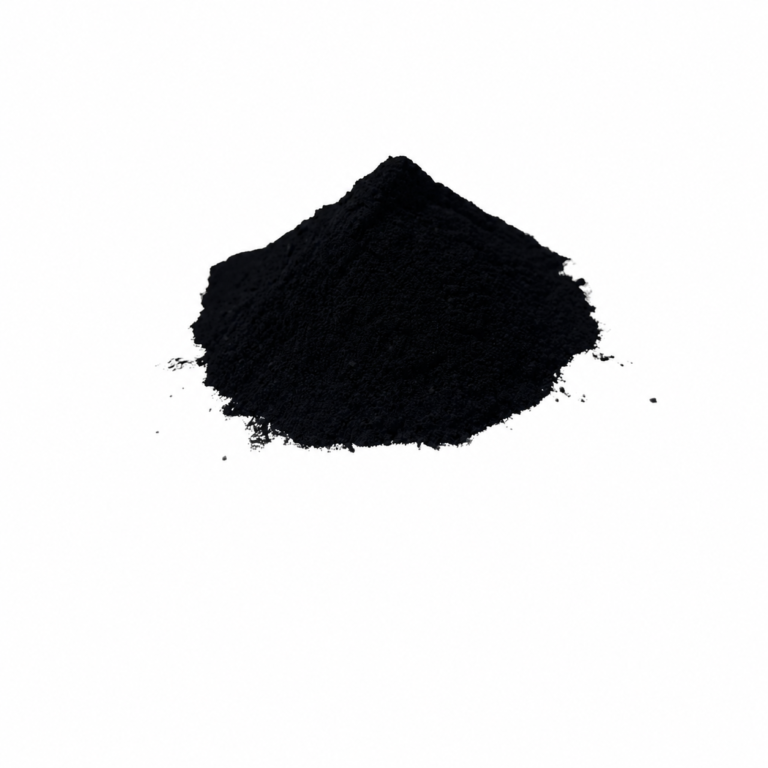
Black
Black
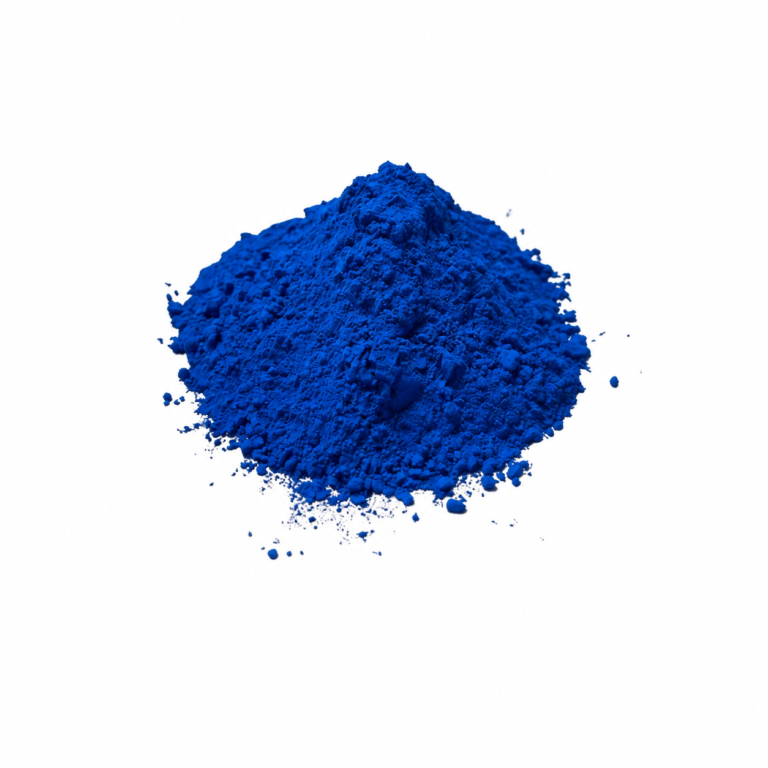
Blue
Blue
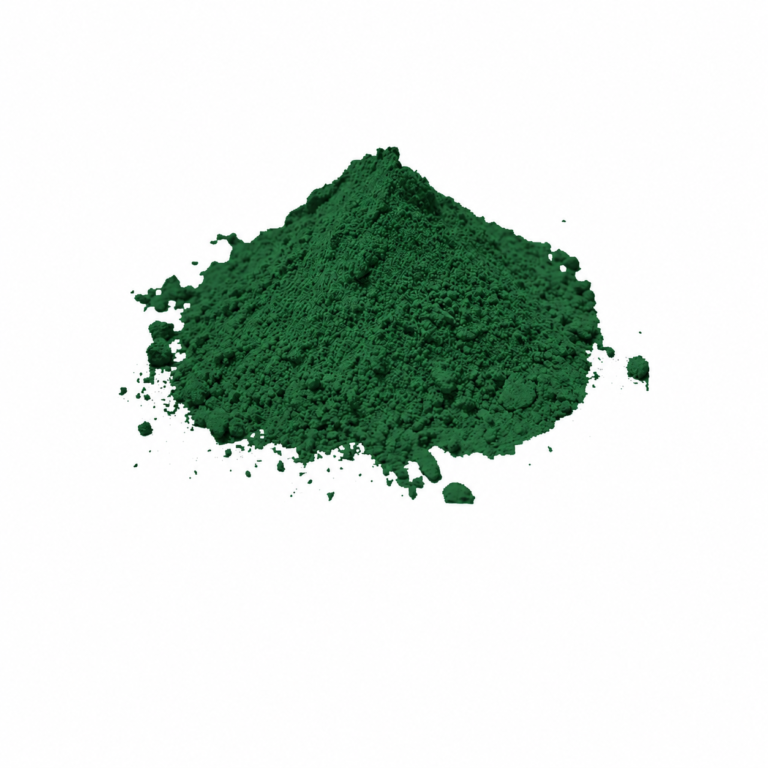
Green
Green
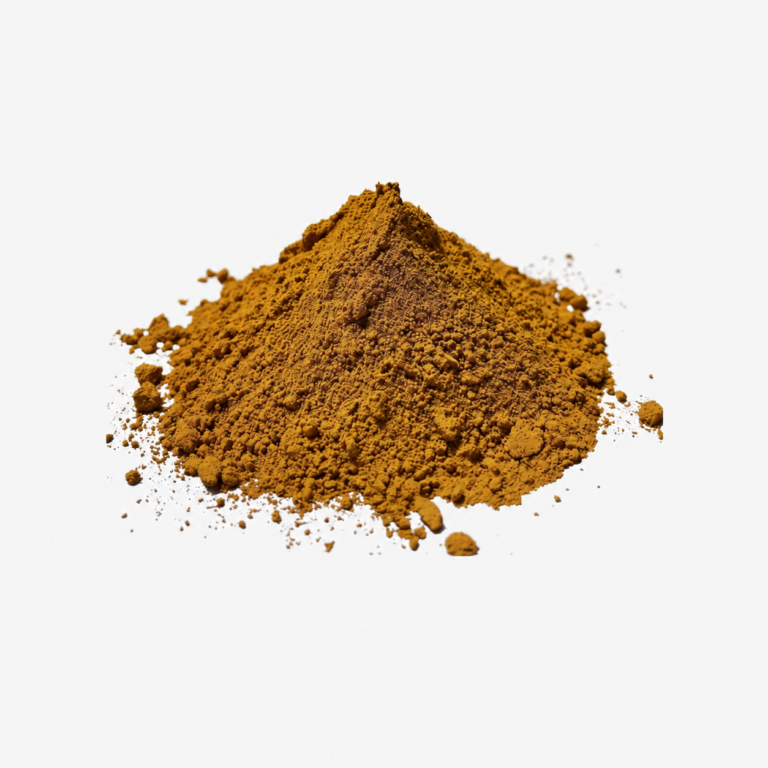
Ochre pigment powder color reference
Ochre
Orange
Orange
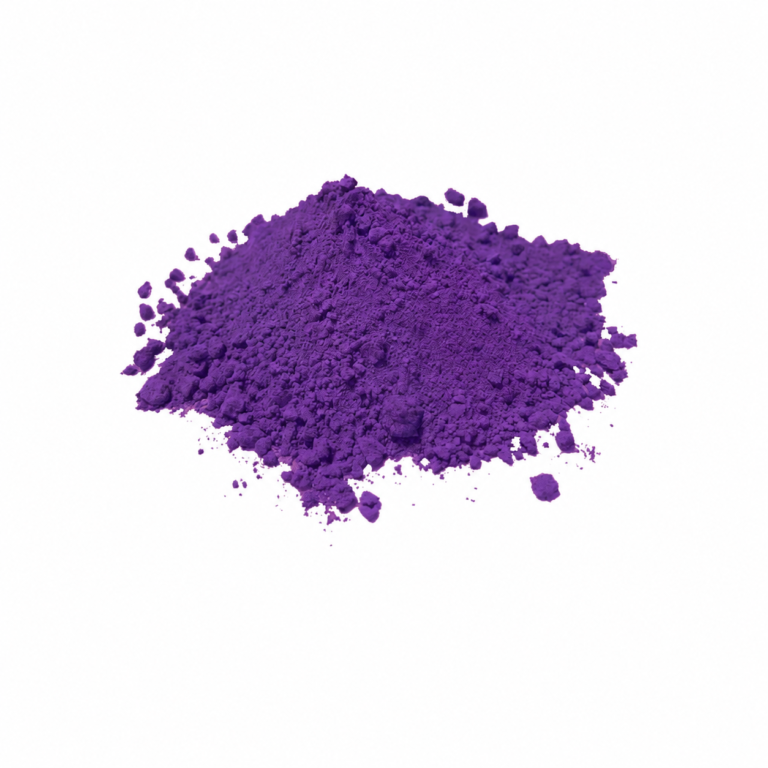
Purple pigment powder color reference
Purple
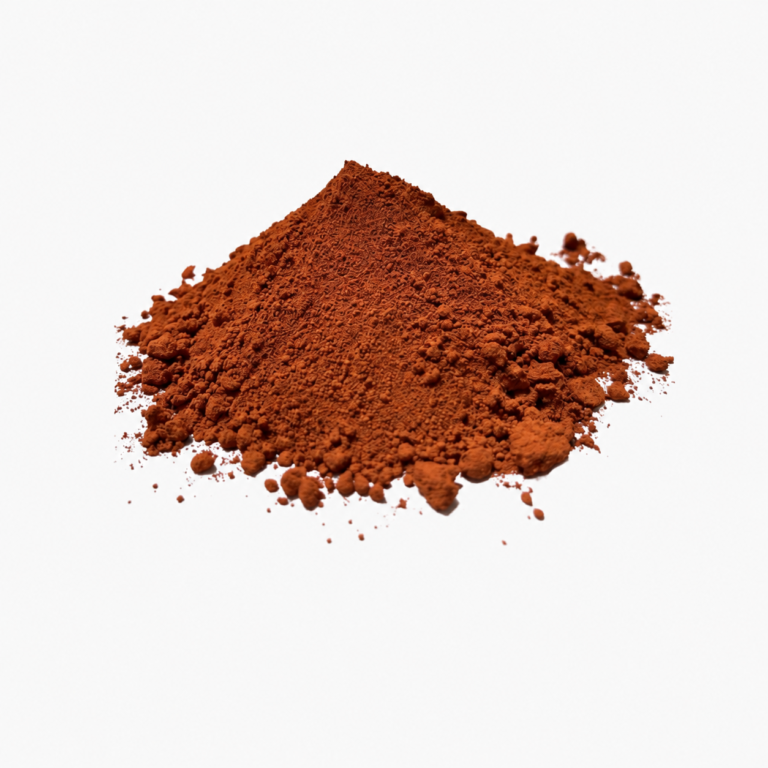
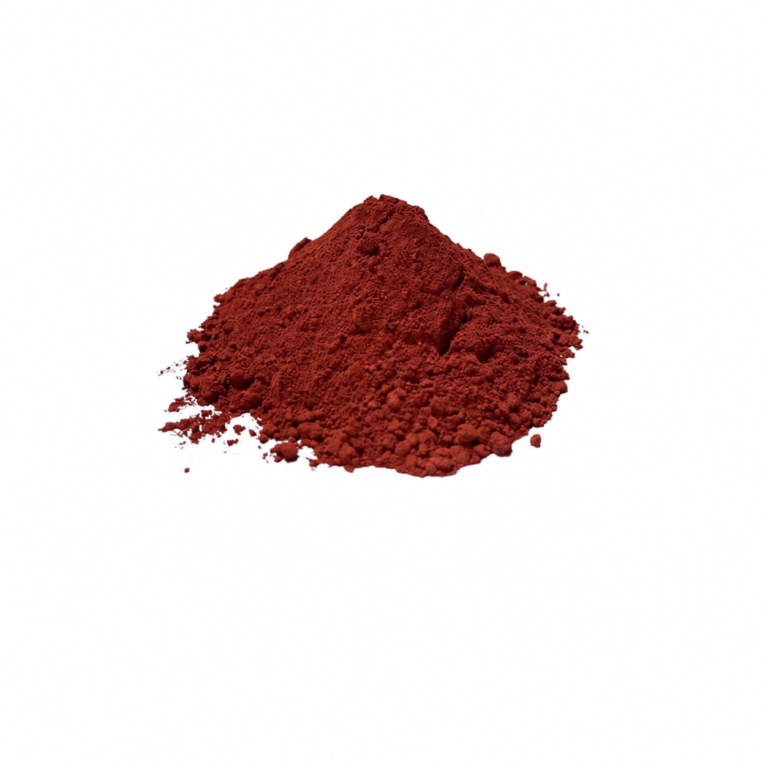
Iron Oxide Red color-family pigment reference
Color-family reference. Confirm the shade with a physical sample.

Iron Oxide Red

Explore 6 grades in this color family.

Grade 101

  • ≥96
    Fe₂O₃ content (%)
  • 15–25
    Oil absorption (ml/100g)
  • ≤0.3
    Residue on 325 mesh (%)
  • ≤0.3
    Water-soluble salts (%)
  • ≤1.0
    Moisture (%)
  • 3–7
    pH value
  • 0.7–1.1
    Tamped apparent density (g/cm³)
  • spherical
    Particle shape
  • ≤1
    Color difference ΔE (vs. standard)
  • 95–105
    Tinting strength (%)

Grade 110

  • ≥96
    Fe₂O₃ content (%)
  • 15–25
    Oil absorption (ml/100g)
  • ≤0.3
    Residue on 325 mesh (%)
  • ≤0.3
    Water-soluble salts (%)
  • ≤1.0
    Moisture (%)
  • 3–7
    pH value
  • 0.7–1.1
    Tamped apparent density (g/cm³)
  • spherical
    Particle shape
  • ≤1
    Color difference ΔE (vs. standard)
  • 95–105
    Tinting strength (%)

Grade 120

  • ≥96
    Fe₂O₃ content (%)
  • 15–25
    Oil absorption (ml/100g)
  • ≤0.3
    Residue on 325 mesh (%)
  • ≤0.3
    Water-soluble salts (%)
  • ≤1.0
    Moisture (%)
  • 3–7
    pH value
  • 0.7–1.1
    Tamped apparent density (g/cm³)
  • spherical
    Particle shape
  • ≤1
    Color difference ΔE (vs. standard)
  • 95–105
    Tinting strength (%)

Grade 130

  • ≥96
    Fe₂O₃ content (%)
  • 15–25
    Oil absorption (ml/100g)
  • ≤0.3
    Residue on 325 mesh (%)
  • ≤0.3
    Water-soluble salts (%)
  • ≤1.0
    Moisture (%)
  • 3–7
    pH value
  • 0.7–1.1
    Tamped apparent density (g/cm³)
  • spherical
    Particle shape
  • ≤1
    Color difference ΔE (vs. standard)
  • 95–105
    Tinting strength (%)

Grade 190

  • ≥96
    Fe₂O₃ content (%)
  • 15–25
    Oil absorption (ml/100g)
  • ≤0.3
    Residue on 325 mesh (%)
  • ≤0.3
    Water-soluble salts (%)
  • ≤1.0
    Moisture (%)
  • 3–7
    pH value
  • 0.7–1.1
    Tamped apparent density (g/cm³)
  • spherical
    Particle shape
  • ≤1
    Color difference ΔE (vs. standard)
  • 95–105
    Tinting strength (%)

Grade 916

  • ≥96
    Fe₂O₃ content (%)
  • 15–25
    Oil absorption (ml/100g)
  • ≤0.3
    Residue on 325 mesh (%)
  • ≤0.3
    Water-soluble salts (%)
  • ≤1.0
    Moisture (%)
  • 3–7
    pH value
  • 0.7–1.1
    Tamped apparent density (g/cm³)
  • spherical
    Particle shape
  • ≤1
    Color difference ΔE (vs. standard)
  • 95–105
    Tinting strength (%)
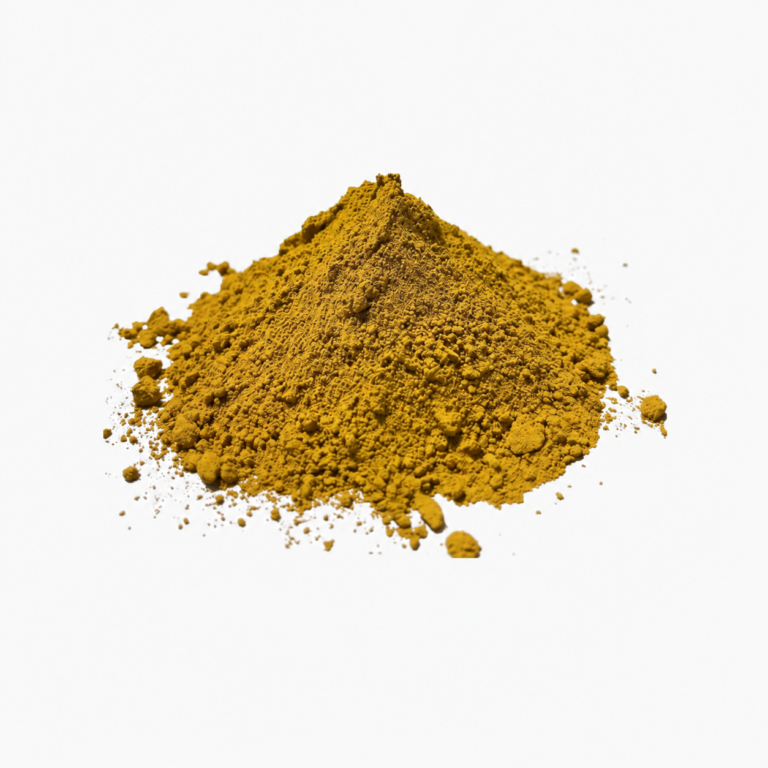
Iron Oxide Yellow color-family pigment reference
Color-family reference. Confirm the shade with a physical sample.

Iron Oxide Yellow

Explore 3 grades in this color family.

Grade 311

  • ≥86
    Fe₂O₃ content (%)
  • 25–35
    Oil absorption (ml/100g)
  • ≤0.3
    Residue on 325 mesh (%)
  • ≤0.3
    Water-soluble salts (%)
  • ≤1.0
    Moisture (%)
  • 3–7
    pH value
  • 0.4–0.6
    Tamped apparent density (g/cm³)
  • acicular
    Particle shape
  • ≤1
    Color difference ΔE (vs. standard)
  • 95–105
    Tinting strength (%)

Grade 313

  • ≥86
    Fe₂O₃ content (%)
  • 25–35
    Oil absorption (ml/100g)
  • ≤0.3
    Residue on 325 mesh (%)
  • ≤0.3
    Water-soluble salts (%)
  • ≤1.0
    Moisture (%)
  • 3–7
    pH value
  • 0.4–0.6
    Tamped apparent density (g/cm³)
  • acicular
    Particle shape
  • ≤1
    Color difference ΔE (vs. standard)
  • 95–105
    Tinting strength (%)

Grade 810

  • ≥86
    Fe₂O₃ content (%)
  • 25–35
    Oil absorption (ml/100g)
  • ≤0.3
    Residue on 325 mesh (%)
  • ≤0.3
    Water-soluble salts (%)
  • ≤1.0
    Moisture (%)
  • 3–7
    pH value
  • 0.4–0.6
    Tamped apparent density (g/cm³)
  • acicular
    Particle shape
  • ≤1
    Color difference ΔE (vs. standard)
  • 95–105
    Tinting strength (%)
Iron Oxide Black color-family pigment reference
Color-family reference. Confirm the shade with a physical sample.

Iron Oxide Black

Explore 4 grades in this color family.

Grade 330

  • ≥95
    Fe₂O₃ content (%)
  • 15–25
    Oil absorption (ml/100g)
  • ≤0.5
    Residue on 325 mesh (%)
  • ≤0.5
    Water-soluble salts (%)
  • ≤1.5
    Moisture (%)
  • 5–8
    pH value
  • 0.9–1.3
    Tamped apparent density (g/cm³)
  • spherical
    Particle shape
  • ≤1
    Color difference ΔE (vs. standard)
  • 95–105
    Tinting strength (%)

Grade 318

  • ≥95
    Fe₂O₃ content (%)
  • 15–25
    Oil absorption (ml/100g)
  • ≤0.5
    Residue on 325 mesh (%)
  • ≤0.5
    Water-soluble salts (%)
  • ≤1.5
    Moisture (%)
  • 5–8
    pH value
  • 0.8–1.2
    Tamped apparent density (g/cm³)
  • spherical
    Particle shape
  • ≤1
    Color difference ΔE (vs. standard)
  • 95–105
    Tinting strength (%)

Grade 722

  • ≥95
    Fe₂O₃ content (%)
  • 15–25
    Oil absorption (ml/100g)
  • ≤0.5
    Residue on 325 mesh (%)
  • ≤0.5
    Water-soluble salts (%)
  • ≤1.5
    Moisture (%)
  • 5–8
    pH value
  • 0.9–1.3
    Tamped apparent density (g/cm³)
  • spherical
    Particle shape
  • ≤1
    Color difference ΔE (vs. standard)
  • 95–105
    Tinting strength (%)

Grade 750

  • ≥95
    Fe₂O₃ content (%)
  • 15–25
    Oil absorption (ml/100g)
  • ≤0.5
    Residue on 325 mesh (%)
  • ≤0.5
    Water-soluble salts (%)
  • ≤1.5
    Moisture (%)
  • 5–8
    pH value
  • 0.8–1.2
    Tamped apparent density (g/cm³)
  • spherical
    Particle shape
  • ≤1
    Color difference ΔE (vs. standard)
  • 95–105
    Tinting strength (%)
Iron Oxide Blue color-family pigment reference
Color-family reference. Confirm the shade with a physical sample.

Iron Oxide Blue

Explore 2 grades in this color family.

Grade 022

  • —
    Fe₂O₃ content (%)
  • 25–35
    Oil absorption (ml/100g)
  • ≤0.3
    Residue on 325 mesh (%)
  • —
    Water-soluble salts (%)
  • ≤1.0
    Moisture (%)
  • 5–8
    pH value
  • 0.8–1.0
    Tamped apparent density (g/cm³)
  • irregular
    Particle shape
  • ≤1
    Color difference ΔE (vs. standard)
  • 95–105
    Tinting strength (%)

Grade 463

  • —
    Fe₂O₃ content (%)
  • 25–35
    Oil absorption (ml/100g)
  • ≤0.3
    Residue on 325 mesh (%)
  • —
    Water-soluble salts (%)
  • ≤1.0
    Moisture (%)
  • 5–8
    pH value
  • 0.8–1.0
    Tamped apparent density (g/cm³)
  • irregular
    Particle shape
  • ≤1
    Color difference ΔE (vs. standard)
  • 95–105
    Tinting strength (%)
Iron Oxide Green color-family pigment reference
Color-family reference. Confirm the shade with a physical sample.

Iron Oxide Green

Explore 3 grades in this color family.

Grade 835

  • —
    Fe₂O₃ content (%)
  • 25–35
    Oil absorption (ml/100g)
  • ≤0.3
    Residue on 325 mesh (%)
  • ≤2.0
    Water-soluble salts (%)
  • ≤1.0
    Moisture (%)
  • ≥6.0
    pH value
  • 0.4–0.8
    Tamped apparent density (g/cm³)
  • irregular
    Particle shape
  • ≤1
    Color difference ΔE (vs. standard)
  • 95–105
    Tinting strength (%)

Grade 5605

  • —
    Fe₂O₃ content (%)
  • 25–35
    Oil absorption (ml/100g)
  • ≤0.3
    Residue on 325 mesh (%)
  • ≤2.0
    Water-soluble salts (%)
  • ≤1.0
    Moisture (%)
  • ≥6.0
    pH value
  • 0.4–0.8
    Tamped apparent density (g/cm³)
  • irregular
    Particle shape
  • ≤1
    Color difference ΔE (vs. standard)
  • 95–105
    Tinting strength (%)

Grade 863

  • —
    Fe₂O₃ content (%)
  • 25–35
    Oil absorption (ml/100g)
  • ≤0.3
    Residue on 325 mesh (%)
  • ≤2.0
    Water-soluble salts (%)
  • ≤1.0
    Moisture (%)
  • ≥6.0
    pH value
  • 0.4–0.8
    Tamped apparent density (g/cm³)
  • irregular
    Particle shape
  • ≤1
    Color difference ΔE (vs. standard)
  • 95–105
    Tinting strength (%)
Ochre pigment powder color reference
Color-family reference. Confirm the shade with a physical sample.

Ochre

Ochre color matching requires confirmation. The four records below are the supplied Brown grades, retained with their original identifiers; they are not verified Ochre specifications.

Grade 610

  • ≥88
    Fe₂O₃ content (%)
  • 20–30
    Oil absorption (ml/100g)
  • ≤0.3
    Residue on 325 mesh (%)
  • ≤0.5
    Water-soluble salts (%)
  • ≤1.0
    Moisture (%)
  • 4–7
    pH value
  • 0.7–1.1
    Tamped apparent density (g/cm³)
  • irregular
    Particle shape
  • ≤1
    Color difference ΔE (vs. standard)
  • 95–105
    Tinting strength (%)

Grade 841

  • ≥88
    Fe₂O₃ content (%)
  • 20–30
    Oil absorption (ml/100g)
  • ≤0.3
    Residue on 325 mesh (%)
  • ≤0.5
    Water-soluble salts (%)
  • ≤1.0
    Moisture (%)
  • 4–7
    pH value
  • 0.7–1.1
    Tamped apparent density (g/cm³)
  • irregular
    Particle shape
  • ≤1
    Color difference ΔE (vs. standard)
  • 95–105
    Tinting strength (%)

Grade 663

  • ≥88
    Fe₂O₃ content (%)
  • 20–30
    Oil absorption (ml/100g)
  • ≤0.4
    Residue on 325 mesh (%)
  • ≤0.5
    Water-soluble salts (%)
  • ≤1.0
    Moisture (%)
  • 4–7
    pH value
  • 0.8–1.2
    Tamped apparent density (g/cm³)
  • irregular
    Particle shape
  • ≤1
    Color difference ΔE (vs. standard)
  • 95–105
    Tinting strength (%)

Grade 686

  • ≥88
    Fe₂O₃ content (%)
  • 20–30
    Oil absorption (ml/100g)
  • ≤0.3
    Residue on 325 mesh (%)
  • ≤0.5
    Water-soluble salts (%)
  • ≤1.0
    Moisture (%)
  • 4–7
    pH value
  • 0.8–1.2
    Tamped apparent density (g/cm³)
  • irregular
    Particle shape
  • ≤1
    Color difference ΔE (vs. standard)
  • 95–105
    Tinting strength (%)
Iron Oxide Orange color-family pigment reference
Color-family reference. Confirm the shade with a physical sample.

Iron Oxide Orange

Explore 1 grade in this color family.

Grade 960

  • ≥88
    Fe₂O₃ content (%)
  • 20–30
    Oil absorption (ml/100g)
  • ≤0.3
    Residue on 325 mesh (%)
  • ≤0.3
    Water-soluble salts (%)
  • ≤1.0
    Moisture (%)
  • 3–7
    pH value
  • 0.4–0.6
    Tamped apparent density (g/cm³)
  • irregular
    Particle shape
  • ≤1
    Color difference ΔE (vs. standard)
  • 95–105
    Tinting strength (%)
Purple pigment powder color reference
Color-family reference. Confirm the shade with a physical sample.

Purple

Technical data to be added

Grade-specific specifications will be added when available. Share your application and target shade through the inquiry form.

Request technical information →

Data note: “—” means not specified in the supplied technical index, not zero. Product images are color-family references, not grade-specific shade standards. Confirm test methods, the agreed specification and the shade standard for your selected grade.

APPLICATION CONTEXT

Start with the material.

Different systems ask different questions. Use these application contexts to define your inquiry before choosing a pigment grade.

Illustrative architectural concrete color application

Concrete & paving

Start with the cement or binder, aggregate color, pigment dosage and curing conditions. Evaluate the finished surface in your intended production process.

Illustrative painted metal and industrial coating application

Paints & coatings

Identify the binder system, dispersion process and target appearance. Ask which grade-specific information is needed for your coating formulation.
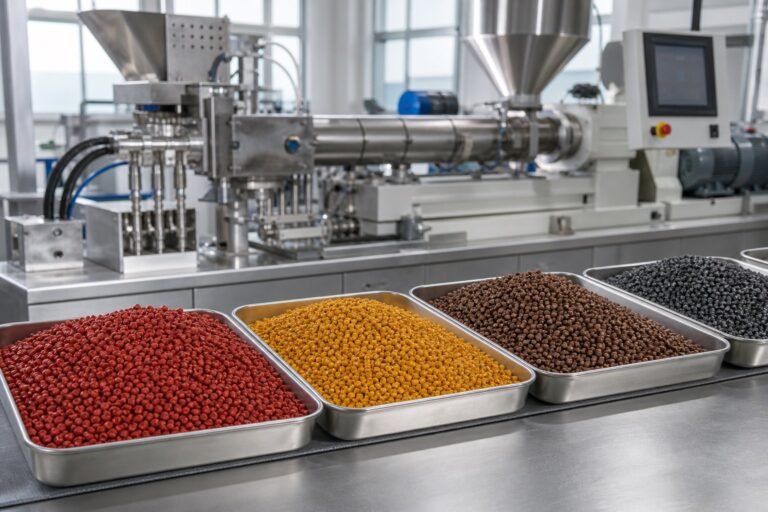
Illustrative colored plastic material application

Polymers & other systems

Share the polymer or other base material, processing temperature and compatibility requirements. Confirm the selected grade in the complete formulation.

Illustrative application images. These examples are general guidance, not evidence that every FUXIN grade suits every application.

Further reading: TODA pigment applications · LANXESS Bayferrox application areas

FROM COLOR TO GRADE

A clearer path to selection.

Use a short, practical sequence to turn a color preference into a well-defined technical discussion.

01

Choose a color family

Use the pigment images as an initial color direction. Keep a physical target or reference sample available.

02

Review the grade data

Compare the exact field, unit, limit and range for the model you are considering. Note any entries not provided.

03

Define your process

Share the binder or base material, mixing or dispersion route, processing conditions and required finish.

04

Validate with a sample

Evaluate the selected grade in your own formulation before agreeing the specification and proceeding to production.

READING THE TECHNICAL INDEX

What to check behind each value.

These reading notes help you use the supplied fields without adding an unconfirmed test method or performance claim.

Content & moisture

Keep the reported percentages separate. Fe₂O₃ content and moisture describe different fields; a missing content entry does not provide a chemical composition. Ask for the grade-specific specification where needed.

Oil absorption

Oil absorption records oil demand under specified test conditions. The supplied FUXIN table uses ml/100g. Preserve that unit and confirm the method before comparing a value stated in g/100g or under different conditions.

325-mesh residue

Read the stated maximum residue and the 325-mesh designation together. The supplied table does not provide a separate particle-size distribution; request one if your process needs it.

pH & water-soluble salts

Read pH as its stated range or minimum, and water-soluble salts as a separate percentage. Confirm sample preparation and test conditions rather than supplying an unstated method.

Tamped apparent density

Keep the full density label and g/cm³ unit. The table provides a tamped apparent-density range; ask for the relevant method when comparing packing or handling information.

Color difference & tinting strength

ΔE is stated relative to a standard, and tinting strength is given as a percentage. Ask which reference and test conditions apply before comparing results from another source.

General method references: ISO 787-5: oil absorption · ISO 787-7: sieve residue · ISO 787-9: pH · ISO 787-16: tinting strength. Testing to these methods has not been confirmed for the supplied FUXIN table.

COLOR IN CONTEXT

Confirm the color in your material.

A powder image is a starting point. The agreed shade should be reviewed in a physical sample prepared for the intended application.

Illustrative colored paving surface; not a grade-specific test result
Illustrative color context. This image is not a measured result for a named grade.

From screen to sample

Screen appearance can vary with display settings and lighting. The substrate, binder, formulation and surface finish also belong in the color discussion.

Agree a physical reference, make a representative trial in the intended system, and review the resulting shade before final selection.

For a useful comparison: record the grade, formulation, preparation and viewing conditions. Confirm any acceptance criteria with the relevant specification.

BEFORE PRODUCTION

Make the sample answer your questions.

Use a small, representative evaluation to connect the product information with your process.

Prepare a focused evaluation brief.

Include the chosen color and model, your target shade, the end-use material and the conditions that matter in production.

  • Use the intended binder or base material.
  • Keep the comparison conditions consistent and recorded.
  • Review shade and processing behavior in the finished sample.
  • Confirm the specification and required documents before purchase.
Illustrative cement-based material used as a sampling context
Application illustration, not a FUXIN laboratory or certification claim.

Documents & next steps

Use the right document for your review, safety requirements or batch acceptance.

Document guide: TDS, SDS & COA
  • Technical data sheet (TDS): request confirmed grade-specific properties and test methods.
  • Safety data sheet (SDS): request the current safety and handling information for the selected product.
  • Certificate of analysis (COA): request batch-specific results when required. A TDS is not a batch-specific COA.
TDS Downloads

Product technical data sheets will be added here. Please use the inquiry form to request current information for your selected grade.

Request technical information →

What to include in your request
  • Product or color: include the product reference or physical shade sample.
  • Application: describe the end-use material and binder.
  • Process: explain production conditions relevant to pigment selection.
  • Documentation: list the technical, safety or batch documents your team needs.
  • Supply requirements: include quantity, packaging questions, destination and project timing.

Confirm before ordering

Confirm the grade, specification, shade reference, packaging and required documents with our team. Review a representative sample in your own material before finalizing the selection.

Request technical information →

View the pigment range · · Contact Henan Fuxin

COMMON QUESTIONS

Useful answers before you shortlist.

Keep the distinction between a color reference, a grade specification and a batch result clear.

Can I choose a grade by screen color alone?

Use screen images to narrow the color direction, then verify a physical reference and a representative sample in your intended system.

Does every color have the same composition?

Do not infer composition from the color name. Consult the grade-specific information; the supplied index leaves some Fe₂O₃ content entries unspecified.

Do missing values mean zero?

No. “—” means the value was not provided in the supplied table. Ask for confirmation if that field matters to your application.

Can I compare values from different manufacturers directly?

First check the field, unit, reference and test conditions. For example, ml/100g and g/100g should not be treated as interchangeable oil-absorption units without the necessary method information.

Are the application images performance guarantees?

No. They illustrate application contexts and do not certify suitability of a particular FUXIN grade, formulation or process.

How can I obtain a technical data sheet?

Use the inquiry form to request current technical information for your chosen grade. The TDS module is reserved for documents to be added later.

LET’S DEFINE YOUR REQUIREMENTS

Bring your color target. We’ll start with the details.

Share the grade or color, target shade, application system and processing conditions so the appropriate product information can be confirmed.

Technical reading & external references

The links below provide public examples of pigment applications, product navigation and specification formats. They describe their respective manufacturers and products. They do not establish FUXIN performance, certification, equivalence or suitability.

LANXESS Bayferrox · OXERRA Americas product finder · YIPIN S-Series · TODA pigments · Golchha iron oxide · COLORY iron oxide red