
How to Choose Iron Oxide Pigment Grade for Coatings?
Choosing the right iron oxide pigment grade is essential for achieving consistent color, good dispersion, and reliable coating performance. Different coating formulations have different requirements, so pigment selection should consider more than color alone.
1. Select the Right Pigment Color
Iron oxide pigments are available in several common colors:
- Red Iron Oxide: Used for red, brick-red, and terracotta coatings.
- Yellow Iron Oxide: Suitable for yellow, ochre, and beige finishes.
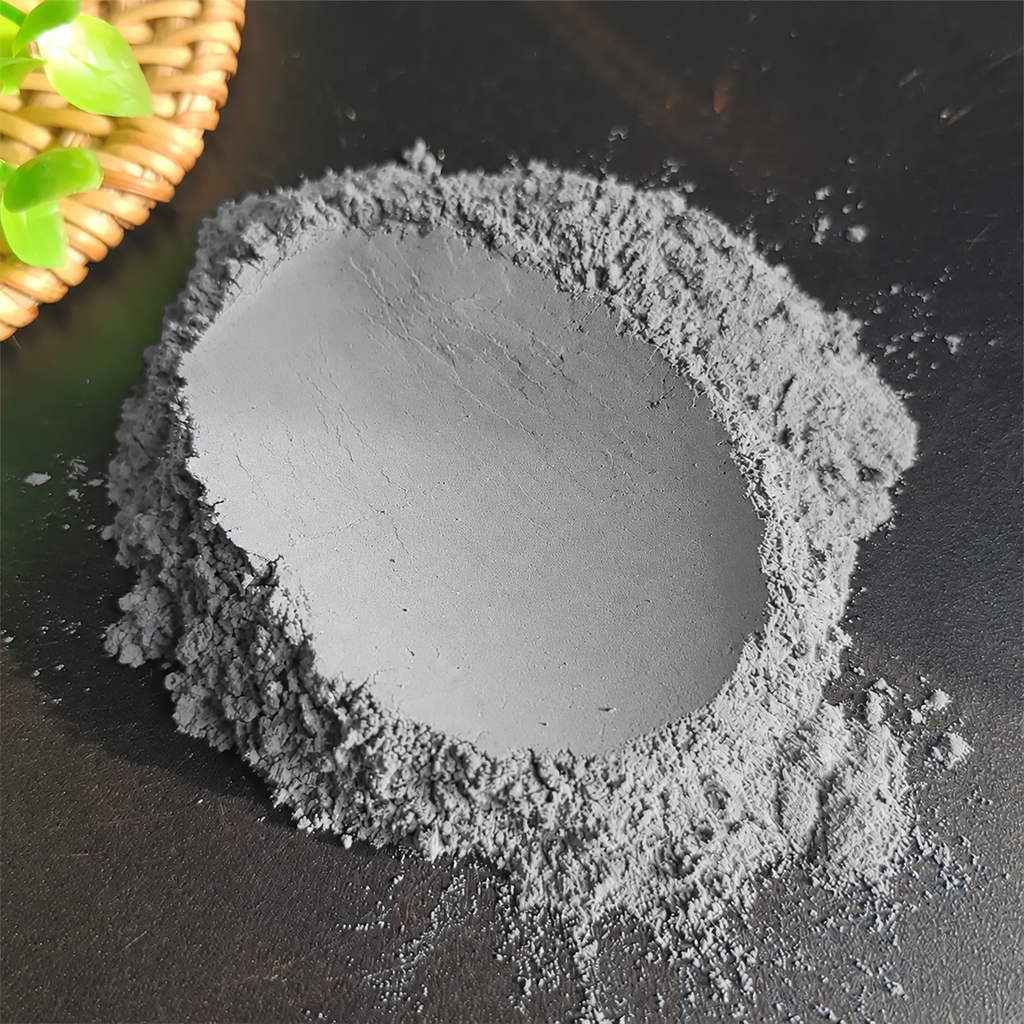
- Black Iron Oxide: Produces black, gray, and dark shades.
- Brown Iron Oxide: Provides natural earth-tone colors.
Different pigments can also be blended to develop customized coating shades.
2. Check Key Technical Properties
Before purchasing, evaluate the following parameters:
| Parameter | Why It Matters |
|---|---|
| Tinting Strength | Determines coloring efficiency |
| Particle Size | Influences dispersion and appearance |
| Oil Absorption | Affects binder demand and viscosity |
| Moisture Content | Influences storage and processing |
| Color Consistency | Supports batch-to-batch stability |
| Weather Resistance | Important for exterior coatings |
3. Consider the Coating Formulation
Different coating systems require different pigment characteristics.
Water-Based Coatings: Pay attention to wetting, dispersibility, and storage stability.
Solvent-Based Coatings: Evaluate compatibility with the resin and dispersing additives.
Industrial Coatings: Consider chemical resistance, color stability, and application requirements.
Exterior Coatings: Prioritize suitable lightfastness and weather resistance.
4. Test Before Mass Production
Before confirming a pigment grade, manufacturers should:
- Request a representative pigment sample.
- Prepare a small-scale formulation.
- Check color shade and tinting strength.
- Evaluate dispersion and viscosity.
- Conduct storage and weathering tests where required.
Testing helps identify formulation problems before large-scale production.
Conclusion
Selecting the right iron oxide pigment grade requires evaluating color, tinting strength, particle size, oil absorption, and formulation compatibility.
By matching pigment properties with coating requirements and conducting preliminary trials, manufacturers can achieve more consistent colors and reliable coating performance.
