
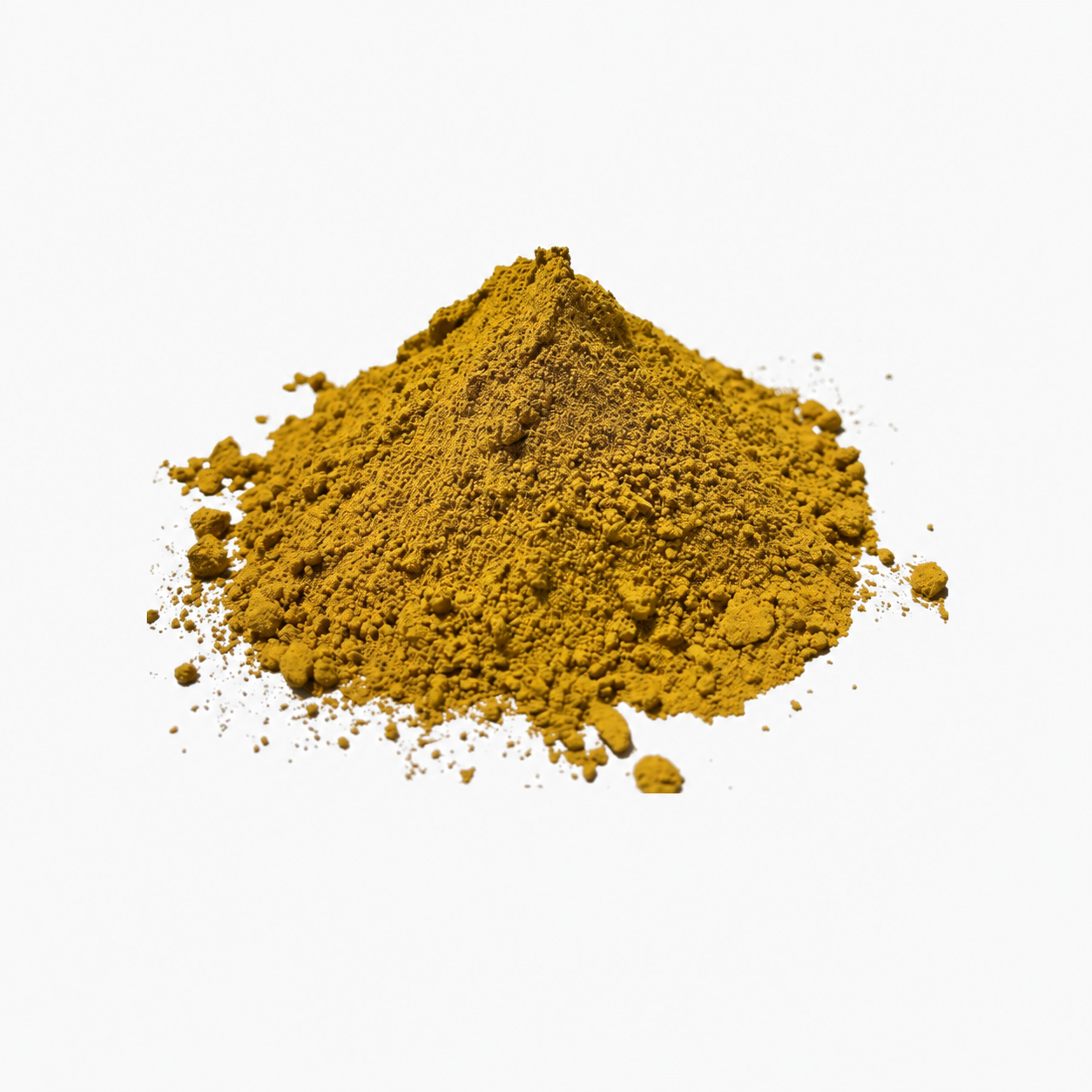
Iron Oxide Pigment Storage and Handling: Protecting Material Quality
Iron oxide pigment storage and handling should preserve the condition of the supplied material and keep its identity clear from delivery to production. A useful warehouse procedure addresses moisture, contamination, package integrity, stock status, and traceability together.
Obtain the current technical data sheet and safety data sheet for the exact grade and destination market. Include any instructions printed on the packaging. Powder, granulated products, and liquid preparations may have different requirements; guidance for one delivery form should not be transferred automatically to another.
Check the Shipment Before Putting It Away
At receiving, compare the delivery against the purchase order. Confirm the grade designation, quantity, packaging type, and batch identification. Check whether the documents provided correspond to the material received, and record any missing information before releasing the stock.
Inspect accessible packaging for tears, damaged closures, staining, water exposure, or other visible abnormalities. Photograph discrepancies and record which units are affected. A damaged outer package does not prove that the contents are unsuitable, but it is a reason to hold the affected material for assessment rather than mix it into accepted stock.
Assign a storage location and stock status when the delivery is entered into the inventory system. Production staff should be able to distinguish released material from stock awaiting inspection without opening the package or asking someone to recall its history.
Translate Storage Instructions into Warehouse Checks
Build the storage plan around the supplier’s stated conditions. Where dry, protected storage is specified, check the practical sources of exposure: leaks, wet floors, open loading areas, and nearby operations that introduce water or other materials. Confirm any grade-specific temperature or segregation requirements directly from the relevant documents.
Packaging needs its own inspection. A pigment’s stated storage period does not establish how long its bag, closure, or lifting components remain serviceable. Follow the package supplier’s handling and stacking instructions, the pigment supplier’s restrictions, and the site’s approved material-handling procedure.
Use a warehouse inspection record that identifies the location, date, condition observed, and action taken. Document water intrusion or package damage as an event affecting specific stock. This is more useful for a later quality review than a general statement that the warehouse is normally dry.
Control Opened Containers and Color Changeovers
Keep opened material identifiable and protected according to the supplier’s instructions. If transfer into another container is permitted and necessary, preserve the grade, batch, status, and relevant label information. Record the transfer so the new container remains linked to the original delivery.
Cross-contamination is also a color-control concern. Consider dedicated or clearly assigned scoops, containers, and collection points for different grades. Where equipment is shared, establish a cleaning and inspection procedure appropriate to the product and process.
Do not return unidentified sweepings, mixed residues, or material from an uncertain source to usable stock. If recovered material is being considered for reuse, keep it separate until the responsible quality team has evaluated its identity and suitability. Avoid combining batches merely to simplify storage records.
Base Dust Controls on the Task Assessment
Handling precautions must reflect the specific SDS and the conditions at the workplace. The OSHA safety data sheet format places handling and storage information in Section 7 and exposure controls in Section 8. Use the corresponding sections of the applicable document when reviewing the task.
Assess receiving, bag opening, transfer, weighing, charging, and cleanup separately. The site’s responsible safety personnel should determine suitable engineering controls, work practices, and any personal protection using the grade-specific information and site assessment. A generic pigment article cannot select respiratory protection or establish that an operation meets local requirements.
Follow the applicable SDS and approved site procedure for spills, cleaning, and waste. Keep the current instructions accessible to people performing the work, including those covering an unfamiliar shift or production area.
Rotate Stock Without Losing Traceability
Use a stock-rotation rule consistent with the supplier’s shelf-life or retest instructions. Record manufacturing, receiving, opening, and review dates where they are relevant. If no storage period or retest guidance has been provided, request it rather than assigning a universal lifetime to iron oxide pigments.
Retain links between incoming batches and the production batches that consume them. Record partial issues and returns so that a quality investigation can identify what remained in storage and what entered finished goods. This also helps avoid treating different lots as one indistinguishable inventory balance.
Hold Questionable Material for a Documented Decision
Water exposure, unusual agglomeration, suspected contamination, damaged packaging, or an uncertain storage history should trigger review under the site’s quality procedure. Describe the observation without immediately assigning a cause.
Ask the supplier what checks are appropriate for the affected grade. Depending on the issue and intended application, the responsible technical team may require further inspection or comparison with an accepted reference. Repacking alone does not resolve uncertainty about the contents.
Record the final decision, who authorized it, and any restrictions on use. Effective storage control depends on being able to explain the condition and history of each lot when it reaches production.
