
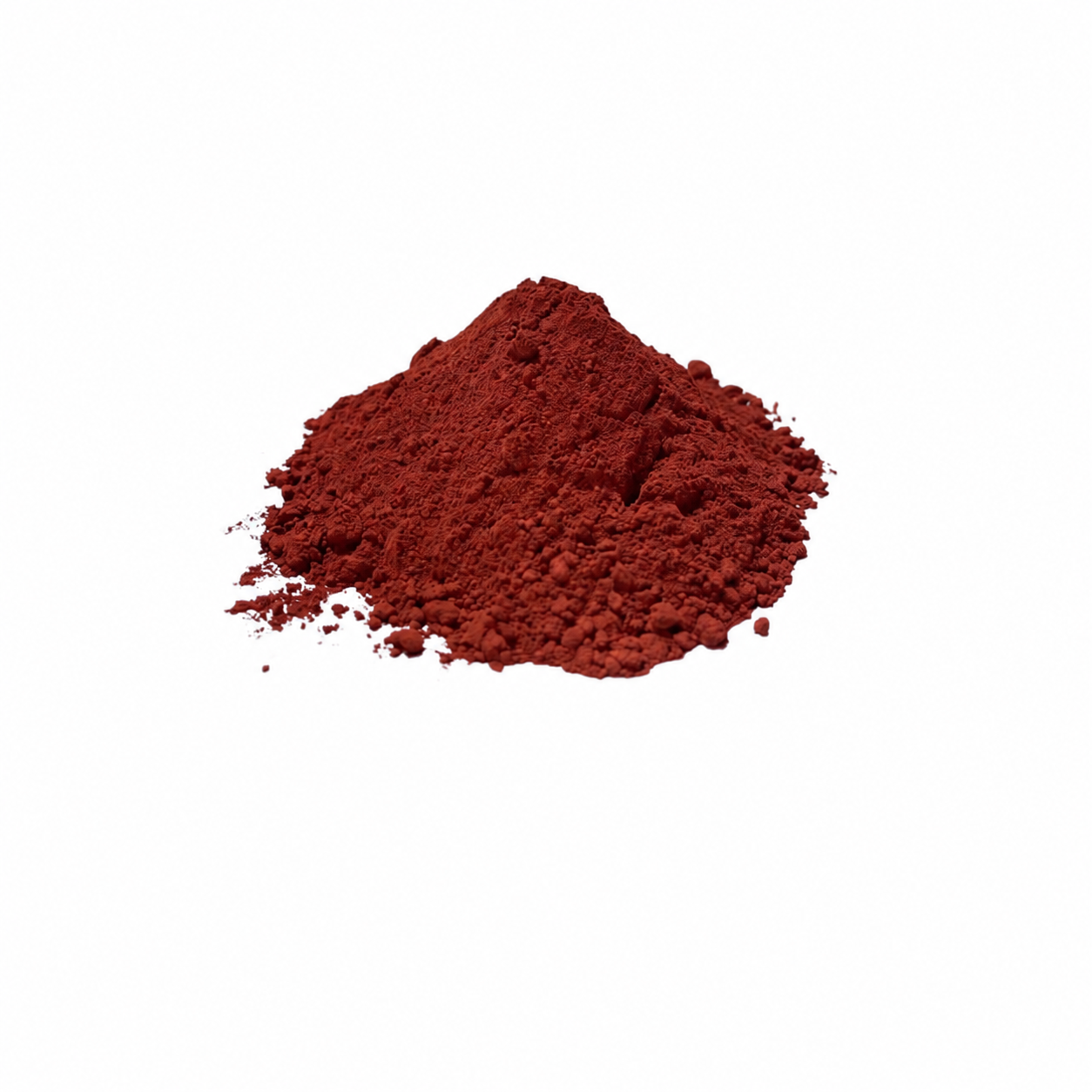
Iron Oxide Pigments in Coatings: Matching the Grade to the Formulation
Selecting an iron oxide pigment for a coating requires more than a shade match. The candidate grade must disperse in the available equipment, remain compatible with the formulation and produce an acceptable film after application and cure.
Two grades with a similar powder color can behave differently in a mill base. A useful qualification program therefore links supplier information to controlled formulation trials, followed by a production-scale check.
Start with a defined coating system
Give the pigment supplier a clear application brief: waterborne or solvent-borne vehicle, binder chemistry, target gloss, application method, substrate and curing process. Identify whether the pigment will be ground directly into the coating or supplied through an in-house color concentrate.
Also define the required optical effect. An opaque primer, a decorative topcoat and a transparent wood finish present different demands. Do not assume that a construction pigment or a grade selected for a different coating will meet the new formulation’s dispersion and appearance requirements.
For a baked coating, include the actual cure schedule in the evaluation. Heat resistance should be confirmed for the proposed grade in the intended system, including any relevant exposure beyond the normal cycle.
Read physical data with the test method attached
Ask for the current technical data sheet and the methods behind the reported properties. Useful information may include color and tinting strength, oil absorption, moisture, sieve residue, particle-size data and the supplier’s recommended applications. Distinguish typical values from agreed specification limits.
Oil absorption can help compare the vehicle demand of pigment samples, but it is method-dependent. ASTM D281 uses a spatula rub-out procedure, and its results should not be treated as interchangeable with values from a different procedure. The reported number is a screening aid, not a direct recipe for the final binder addition.
Particle-size information also needs context. Ask whether it describes primary particles, agglomerates or the material after dispersion. A nominal size alone does not show how easily a grade will develop color in the plant’s equipment.
Run a pigment, binder and dispersant comparison
Use a trial matrix that changes one main variable at a time. Start with the intended vehicle and compare candidate grades at documented conditions. Where dispersant selection remains open, evaluate an appropriate small range recommended for the binder and pigment type.
Keep batch size, mixer geometry, addition sequence, processing time and temperature comparable. Record the mill-base viscosity and whether the equipment can circulate the batch effectively. If one candidate requires a different dispersant level or longer processing, retain that information for the eventual cost comparison.
Pigment surface characteristics, additive chemistry, binder and solvent all affect wetting and stabilization. The aim is to identify a workable combination within the formulation’s constraints. A supplier’s broad application recommendation should be treated as a starting point for this evaluation.
Measure dispersion, then inspect the film
Use a recognized method to assess coarse particles or agglomerates. ASTM D1210 describes a Hegman-type gauge method for evaluating dispersion in pigment–vehicle systems. A suitable reading helps assess grind quality, but it does not establish the full performance of the coating.
Prepare comparable drawdowns or applied panels with controlled film thickness, substrate and cure. Examine shade, tinting strength, hiding or transparency, gloss and visible defects against the reference. Where the product is a tint, test the intended white or colored base as well as the concentrated shade.
For color blends, include a rub-out assessment where appropriate to investigate inadequate stabilization. Interpret any difference together with the formulation and other observations rather than relying on one check alone.
Check let-down and storage compatibility
A mill base can look acceptable before the remaining binder, additives or dilution medium are introduced. Inspect the final let-down for color drift, visible flocculation, loss of gloss, seeding and unexpected viscosity changes. Test the actual order of addition used in manufacture.
Store trial samples under conditions selected for the intended product and repeat relevant measurements afterward. Assess sediment, ease of redispersion and whether the recovered material still produces an acceptable film. Choose the duration and conditions through the coating’s qualification program; a single generic accelerated-storage recipe is not appropriate for every binder system.
Separate color approval from coating-performance approval
Generic iron oxide color pigments should not be described as providing corrosion protection solely because they are used in a primer. Protective performance depends on the complete coating system, substrate preparation, application and exposure. Any corrosion-resistance claim needs relevant system testing.
Use the same distinction for adhesion, chemical resistance, weathering and service life. After the color and processing trials, assess the finished formulation against the application specification. A raw-material data sheet cannot substitute for those results.
Before routine purchasing, confirm the grade identity, agreed incoming checks, reference sample and change-notification requirements. Compare total formulation and processing cost at the accepted result. When requesting a Fuxin sample, include the binder type and these trial requirements so that grade suitability can be verified rather than inferred from the color name.
