
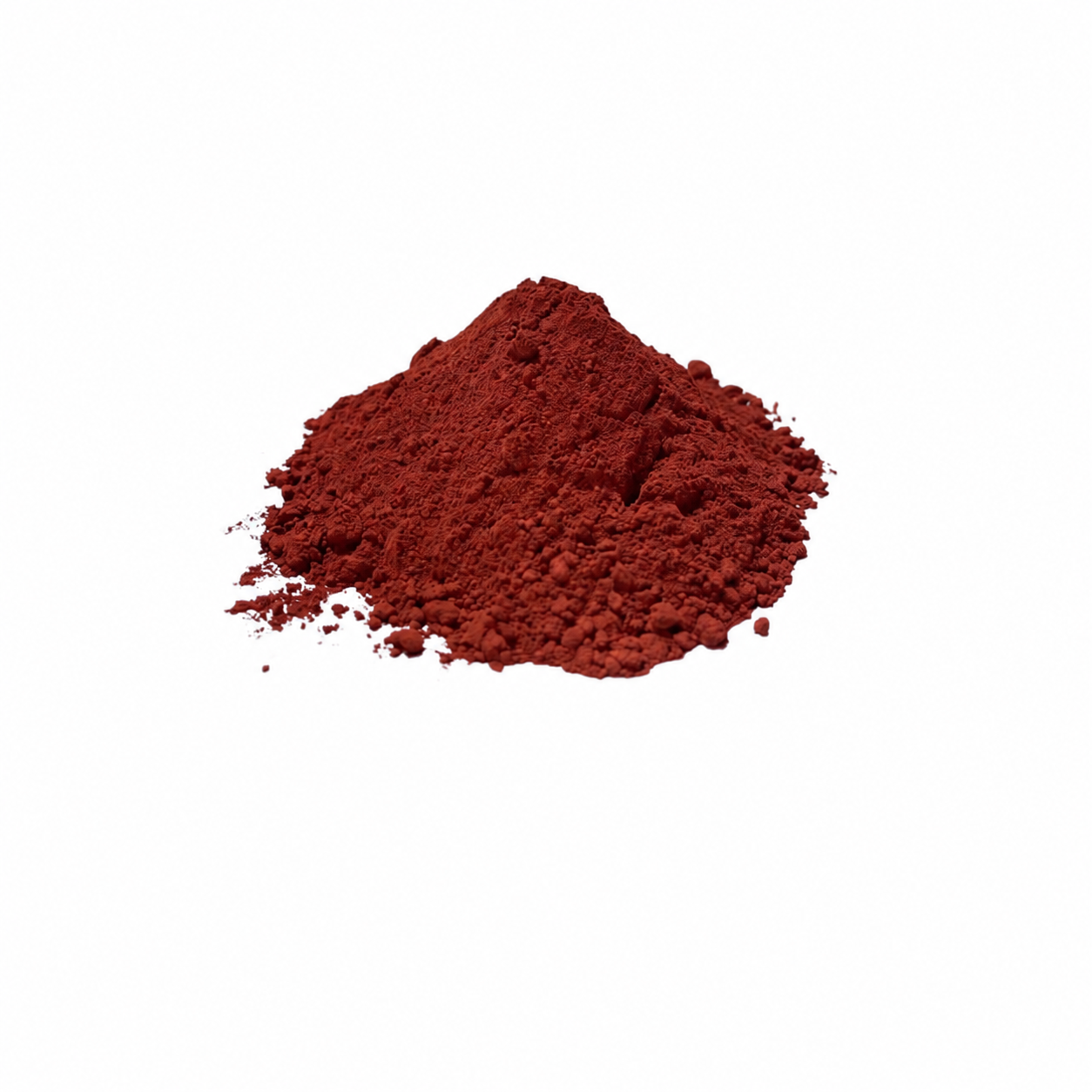
How to Select Iron Oxide Pigments for Colored Concrete
Selecting an iron oxide pigment for concrete begins with the finished product. The required appearance, concrete formulation, production method and exposure conditions should define the pigment specification. A color name alone leaves too much open to interpretation, particularly when a laboratory sample must later be reproduced on a production line or construction site.
A useful selection process brings purchasing, production and quality control into the same discussion. The objective is an identified pigment grade that produces an acceptable color in the intended concrete and can be incorporated reliably under the proposed operating conditions.
Define the finished concrete before choosing a shade
Record whether the pigment will be used in ready-mixed concrete, precast elements, paving units or another cementitious product. State the visible finish, the proposed cement and the principal aggregates. Include any curing or surface treatment that forms part of the finished appearance.
Cement color and aggregate selection influence the final tone. A pigment shown in white cement can look different in a gray-cement formulation. Similarly, a polished or exposed-aggregate surface presents a different visual balance from a smooth cement-rich face. Use the project materials when evaluating candidates rather than expecting a powder photograph or printed chart to predict the result.
If the customer supplies a color reference, identify what the reference represents. It may describe the intended design direction, an existing concrete sample or an agreed finished surface. Record the viewing conditions and surface condition so that different parties are assessing the same requirement.
Specify the exact grade and supply form
Red, yellow and black iron oxide pigments provide a basis for many construction colors. Commercial shades and blends should nevertheless be selected by grade, since a broad color description does not identify the material being purchased. Confirm whether an orange or other intermediate shade is a single supplied product or a controlled blend.
Construction pigments are commercially available as powders, granules, compacted products and liquid dispersions. The appropriate form depends on the dosing and mixing equipment. For a powder-based operation, evaluate bag handling, weighing, transfer and incorporation. If another form is proposed, check what changes the plant would need before comparing its operating cost.
Do not assume that the same supplied mass represents the same pigment content when switching forms. Ask the supplier to state the composition basis and the method for converting an approved formula. Any carrier water or additional component must be considered within the concrete formulation.
Match the evidence to the project requirements
The public scope of ASTM C979/C979M addresses pigments for integrally colored concrete. It includes requirements concerning pigment properties and selected effects on concrete. Its scope excludes elevated-temperature steam-curing stability and does not establish compatibility with other admixtures unless tested together.
Where a project specifies this or another standard, request evidence for the actual grade offered and the relevant version or project specification. A general statement about an iron oxide product family should not replace grade-specific documentation.
List any additional conditions that need examination, including an unusual binder, an accelerated curing process or a particular admixture combination. Assign responsibility for reviewing those conditions before a purchase order is released. Avoid treating approval in one concrete formulation as automatic approval in another.
Develop the formulation under controlled conditions
Ask for a sample that is identified by product code and batch reference. Prepare an initial trial using a documented mix design, then adjust one variable at a time. Record pigment quantity on a clearly stated basis, such as the basis required by the supplier and the project specification.
Use the trial to examine color and the concrete properties relevant to production. Increasing the pigment quantity should not be the default response to every disappointing color result. First review the cement background, the candidate shade, dispersion and the surface condition at assessment.
Once a promising formulation is identified, check whether the planned plant can reproduce it. A trial is more useful when its mixing procedure, curing and finishing correspond to actual production rather than a convenient laboratory method that will not be used again.
Convert the result into a usable specification
The final selection record should identify the pigment grade, supplier, approved formulation, relevant technical documents and reference sample. It should also define who can authorize a material substitution and which changes require a new trial.
For an initial inquiry, provide the application, target color, cement type, production method and any special curing conditions. This information gives the supplier a concrete basis for proposing a grade. The purchasing decision can then be tied to demonstrated suitability in the intended mix, with clear instructions for the team that will use it.
