
How to Control Dust During Iron Oxide Pigment Handling and Mixing
Effective iron oxide pigment dust control is essential for maintaining workplace safety, protecting product quality, and improving production efficiency. Fine pigment powders can become airborne during packaging, weighing, transferring, and mixing operations.
Without appropriate controls, airborne dust may increase worker exposure, contaminate nearby materials, and create additional cleaning requirements.
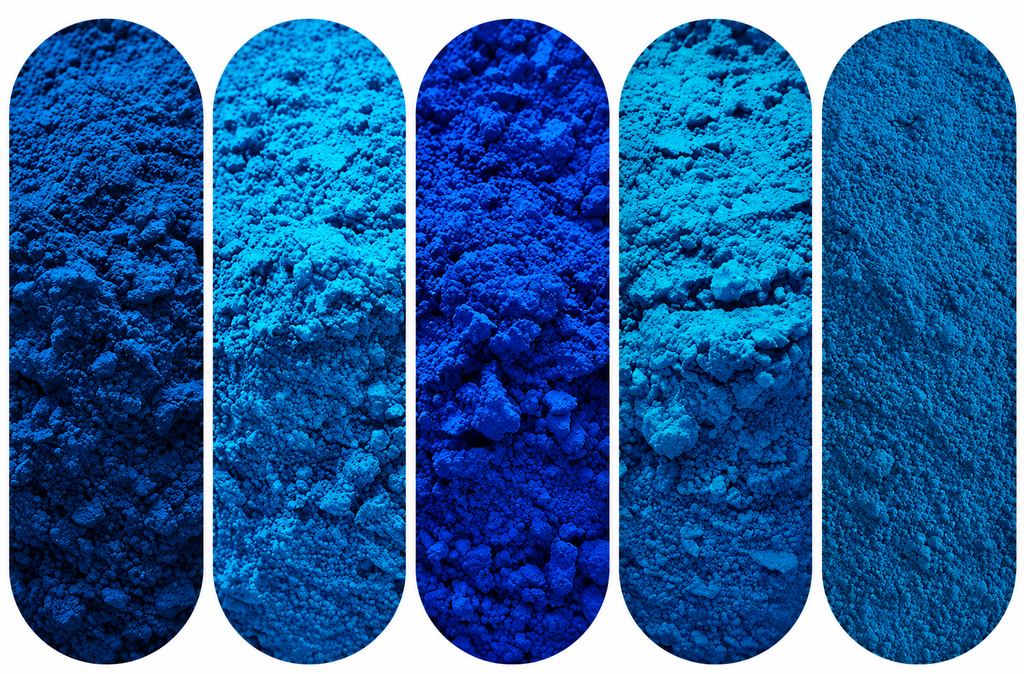
1. Identify Common Sources of Pigment Dust
Dust generation frequently occurs when operators open pigment bags, transfer powder between containers, or introduce dry materials into mixing equipment.
The amount of airborne dust depends on powder characteristics, transfer methods, equipment design, and ventilation conditions.
Fine pigments may disperse more readily when poured from excessive heights or handled at high speeds.
Identifying these sources is the first step toward effective dust prevention.
2. Improve Iron Oxide Pigment Dust Control During Transfer
Proper material transfer procedures can significantly reduce dust emissions.
Recommended practices include:
- Open pigment bags carefully.
- Minimize the distance powder falls during transfer.
- Use enclosed conveying systems where practical.
- Keep containers covered when not in use.
- Avoid unnecessary movement of dry materials.
For larger production facilities, enclosed feeding equipment can reduce manual handling and limit dust release.
3. Install Suitable Dust Collection Equipment
Local exhaust ventilation is an important engineering measure for controlling airborne pigment particles.
Dust extraction systems should be positioned near weighing stations, bag-emptying points, and mixing equipment.
Properly designed collection systems capture dust close to its source before it spreads through the workplace.
Filters, ductwork, and extraction equipment require regular inspection to maintain effective performance.
General ventilation alone may not provide adequate protection for operations generating concentrated dust.
4. Reduce Dust During Pigment Mixing
Introducing dry pigment directly into high-speed mixing equipment can generate substantial dust.
To minimize emissions, add pigments gradually and use appropriate feeding arrangements.
Where compatible with the formulation, pigments may be incorporated into a suitable liquid vehicle before high-speed dispersion.
Closed mixing vessels and controlled feeding systems can further reduce airborne particles.
Mixing procedures should also maintain consistent pigment dispersion and prevent unnecessary material losses.
5. Maintain Clean and Safe Working Conditions
Good housekeeping is essential for effective iron oxide pigment dust control.
Accumulated powder should be removed using suitable industrial vacuum equipment or compatible low-dust cleaning methods.
Avoid using compressed air to remove pigment deposits because it can disperse settled particles into the workplace.
Workers should follow the product’s Safety Data Sheet and applicable occupational safety requirements.
Suitable respiratory protection, gloves, and eye protection should be selected according to the workplace exposure assessment.
Conclusion
Effective iron oxide pigment dust control requires coordinated improvements in material handling, equipment design, ventilation, and workplace cleaning.
Enclosed transfer systems, controlled mixing procedures, and appropriate dust collection equipment help reduce airborne particles and material losses.
Standardized operating procedures and regular equipment maintenance support safer, cleaner, and more consistent pigment production.
